A Guide To The Best Architectural Photographers Based In Western Australia
Architectural photography does more than record a finished building. It translates proportion, material, light and atmosphere into a visual story that can be understood long after the site visit. In Western Australia, where projects range from compact Perth renovations to remote civic buildings and broad-acre homes, the photographer’s interpretation can be as important as the design itself.
For architects, interior designers, developers and makers, choosing the right architectural photographer means looking beyond polished images. The strongest portfolios show a clear understanding of how buildings are occupied, how Western Australian light changes through the day, and how to balance a project’s built form with its landscape and local character.
What Architectural Photography Needs To Do
A successful architectural image makes decisions visible. It can explain why a wall turns, how a circulation route works, or where a carefully positioned window frames the garden. Straight verticals, controlled reflections and accurate colour matter, yet technical precision should support the feeling of a place rather than flatten it.
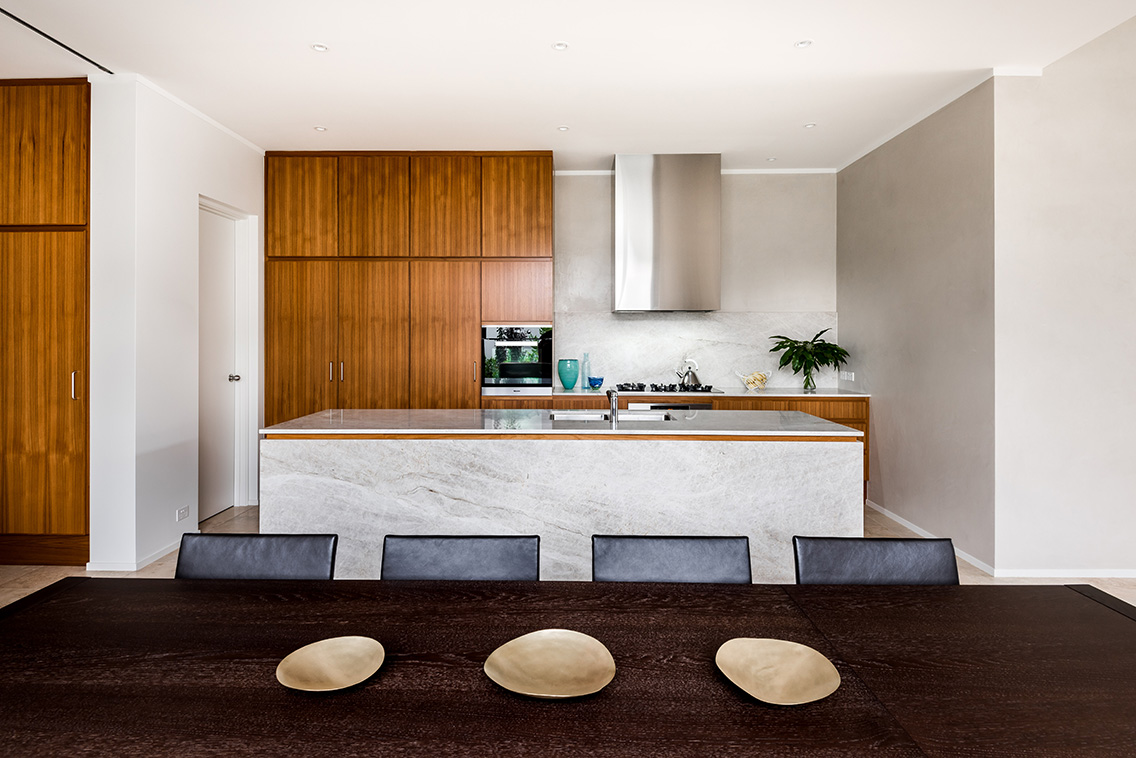
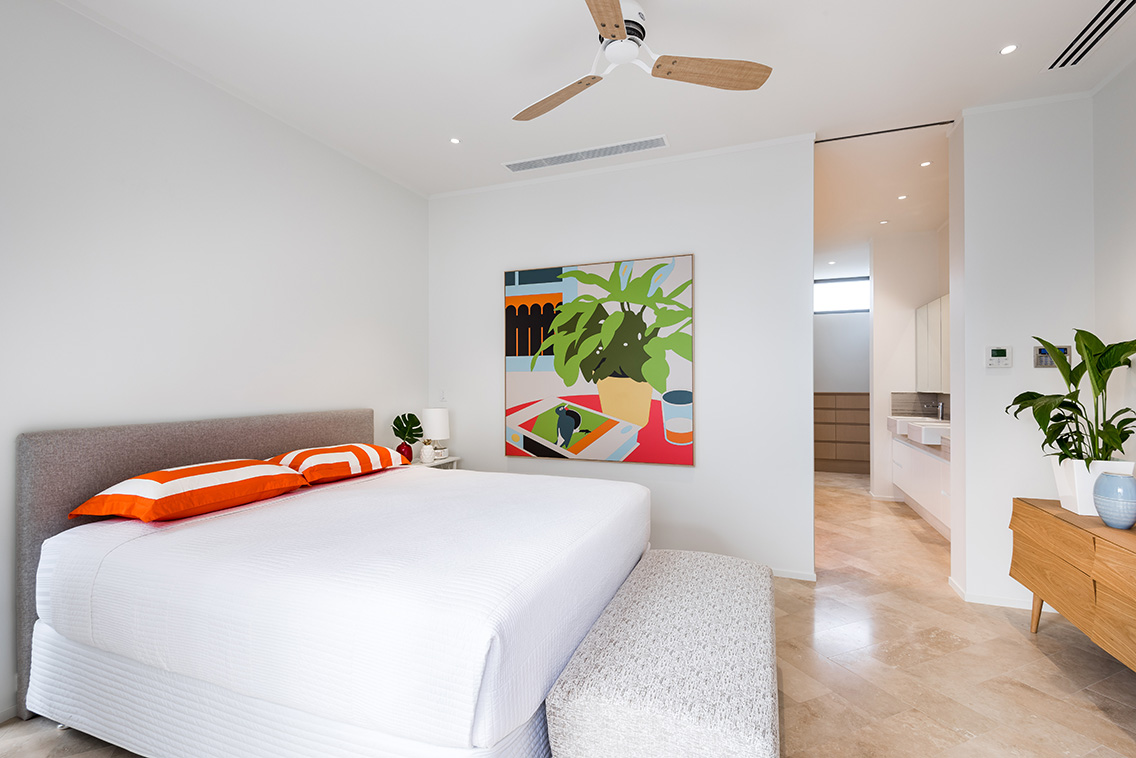
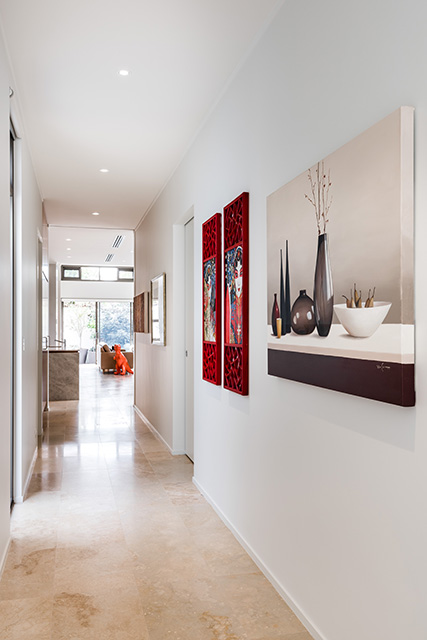
This is particularly relevant for residential work. A home may be published through a sequence that begins with its street presence, moves through living spaces and finishes with a detail of stone, timber or joinery. The photographer must create continuity across that sequence while allowing individual rooms to retain their own rhythm. A thoughtful example is the Perth architect’s home, where restraint and material clarity become central to the story.
Commercial and public projects require a different editorial approach. A workplace needs to feel active without becoming visually cluttered; a hospitality venue should communicate mood, circulation and brand; a school or gallery must show how people inhabit it. The best architectural images give readers enough information to understand the building while leaving room for interpretation.
Photographers And Studios To Know
Dion Robeson is one of the most recognisable names in Perth architectural photography. His work demonstrates a strong command of composition, natural light and material detail, making it useful to study when looking for a photographer who can move between architecture, interiors and design objects. His images often feel calm and deliberate, with the building allowed to hold the attention.
Joel Barbitta is another valuable reference for practices seeking a polished, publication-ready result. His portfolio shows an ability to present architectural form clearly while retaining the atmosphere of a lived or working environment. Douglas Mark Black is also worth considering for projects where landscape, texture and a strong sense of place are important parts of the brief.
Perth-based studios and independent photographers can offer different strengths, from precise documentation to more editorial, cinematic coverage. Acorn Photo is a useful name to investigate alongside individual practitioners. A shortlist should be based on the project’s needs rather than reputation alone: look for relevant examples in the same building type, climate and scale.
Reading Western Australian Light And Landscape
Perth’s intense sun creates opportunities as well as technical demands. Hard midday shadows can describe a building’s geometry with remarkable clarity, while early morning and late afternoon light bring warmth to limestone, brick, rammed earth and timber. A photographer who understands the local conditions will usually recommend a considered schedule rather than attempting to capture everything in one short session.
The coast introduces another layer. Homes around Cottesloe, City Beach and Fremantle may need to balance glare, ocean horizons and strong prevailing light. Further inland, the dry tones of the Swan Valley or the planted gardens of the Perth Hills can become an essential part of the architectural narrative. In regional Western Australia, long travel distances and limited access to equipment or accommodation also need to be allowed for in the production budget.
Weather is not always a problem to be removed. A cloudy morning can soften concrete and reduce contrast, while a bright winter day may reveal the depth of a verandah or the shade performance of a facade. For landscape-led projects, the photographer should also understand seasonal planting, irrigation and the way a garden will mature. A photograph taken too soon may document the architecture accurately but miss the intended relationship between building and site.
Matching A Photographer To The Project
Start by identifying what the images need to achieve. An architect entering awards may need a disciplined set of wide views, plans translated into spatial photographs and a handful of construction details. A builder may require clear progress documentation. A developer may want images that communicate amenity, scale and market appeal. An interior designer may place greater value on styling, material close-ups and a sense of domestic atmosphere.
Review complete project galleries rather than selecting a photographer from a single striking image. Look at how they handle small rooms, difficult windows, reflective surfaces and occupied spaces. Check whether people appear naturally in the frame or seem added as decoration. For hospitality and workplace commissions, consider whether the photographer can work discreetly around staff, visitors and operational requirements.
It is also worth checking how a photographer collaborates with stylists, editors and public relations teams. Some practitioners prefer a highly directed shoot, while others work responsively with the architect on site. Neither approach is automatically better. The right fit depends on how much visual direction the project team already has and whether the final story should feel tightly controlled or more observational.
Briefing, Styling And Usage Rights
A useful brief includes the project address, completion date, design team, preferred publication angles, approximate number of final images and any access restrictions. Include a list of must-have spaces, but avoid prescribing every frame. A photographer needs enough structure to protect essential coverage and enough freedom to notice an unexpected reflection, shadow or connection between rooms.
Styling is often the difference between a technically competent record and a compelling editorial set. Remove temporary clutter, clean glazing, prepare gardens and decide whether the home should appear occupied. For a commercial project, coordinate with staff so desks, shelves and amenities look intentional. Small details such as unmarked bins, visible cables and dusty skirtings can distract from otherwise excellent architecture.
Usage should be agreed before the shoot. Clarify whether the fee covers the architect’s website, awards submissions, social media, press releases, print advertising and third-party publication. Ask how many edited images are included, when they will be delivered and whether raw files are supplied. If a manufacturer plans to use an image in a product campaign, that may require separate licensing and approvals.
The same care applies to product and material photography. A tapware launch, for example, needs images that communicate finish, ergonomics and installation context rather than simply placing the product against a neutral background. Contemporary’s coverage of an Australian tapware rebrand shows why a product story benefits from a broader design and industry context.
Building A Strong Photographer Shortlist
A practical shortlist should compare visual language, experience, process and value. Ask each candidate for a small selection of complete galleries, not just a highlight reel. Check recent work, confirm availability and discuss whether the photographer is comfortable with the intended publication style. For a project outside Perth, ask about travel, accommodation and weather contingencies at the first enquiry.
When contacting photographers, provide enough information for a meaningful estimate. A one-page brief with drawings, site photographs, project location, preferred timing and intended usage will produce a more useful response than a general request for rates. It also signals that the design team understands photography as part of the project’s communication strategy.
Use the following criteria when comparing options:
- Relevant portfolio: Look for recent homes, commercial interiors, public projects or landscapes that resemble the commission.
- Understanding of light: Review images made at different times of day and in varied weather conditions.
- Spatial clarity: Check whether the photographs explain how rooms connect and how the building meets its site.
- Production process: Confirm scouting, styling, shoot duration, editing, delivery and the method for reviewing proofs.
- Licensing terms: Establish where the images can appear and whether collaborators or suppliers need additional permissions.
- Travel and logistics: Allow for regional distances, access, parking, weather changes and remote-site requirements.
- Working relationship: Choose someone who listens carefully, communicates clearly and can contribute ideas without taking over the project.
For emerging practices and students, a smaller commission or test shoot can be a sensible way to understand how a photographer works. For established studios, a recurring relationship may create a consistent visual identity across multiple projects. Keeping the same photographer is not essential, but a shared understanding of the practice’s values can make future shoots faster and more coherent.
Photography also sits within Western Australia’s wider design culture. Industry talks, launches and gatherings provide opportunities to meet practitioners before a commission is needed. Contemporary’s program of design events offers one place to follow that conversation, including opportunities connected with the local architecture and design community.
A considered architectural photographer can make a project legible, memorable and ready for the places where design is discussed: awards programs, editorial platforms, client presentations and public archives. Explore portfolios with the same care given to selecting materials, then brief the chosen photographer early enough for the images to become part of the design story rather than an afterthought.