How vintage lighting finds its place in a modern home
A vintage light can change the atmosphere of a room before any furniture is moved. Its shade, surface, wiring, and proportions carry traces of another era, while the light it casts can soften a highly resolved contemporary interior. For designers, the appeal lies in creating a relationship between old and new rather than making a room look historically themed.
Sourcing that piece requires more than browsing antique stores or scrolling through online listings. The process involves reading a home’s architecture, understanding how light will be used, checking the condition of an object, and deciding which signs of age should remain visible. A successful choice feels specific to the project, not simply fashionable.
In Perth and across Australia, the search can extend from architectural salvage yards and estate sales to specialist dealers, maker networks, auctions, and design fairs. Each source reveals different possibilities, from Italian glass pendants and Scandinavian wall lights to Australian-made fittings with a quieter local history.
Begin with the room, not the object
The first step is to study the room’s existing qualities. A designer will consider ceiling height, window positions, joinery, flooring, sightlines, and the colour temperature of the natural light. In a compact dining area, a low pendant may create intimacy; in a hallway, a pair of wall sconces may establish rhythm without taking up floor space.
This assessment also clarifies the role of the fitting. Is it intended to provide task lighting over a kitchen island, a pool of light above a table, or a sculptural focal point in an otherwise restrained space? Vintage lighting can be visually strong, so its function needs to be established before its appearance takes over the brief.
The architectural period of the home provides another useful point of reference. A 1970s Perth house may accommodate a bold opaline globe or a timber-and-metal pendant, while a new concrete residence might benefit from a delicate brass fitting that introduces warmth. The match does not need to be literal. Tension between periods often gives the room its character.
Build a visual and technical brief
Before sourcing begins, the designer usually creates a compact brief covering mood, scale, materials, finish, and performance. This prevents a beautiful object from becoming an unsuitable purchase. A brief might call for aged brass, translucent glass, and a warm diffuse glow, while ruling out exposed bulbs or highly reflective chrome.
Dimensions should be recorded early. The diameter of a dining pendant, the drop from ceiling to tabletop, and the clearance beside a bed all influence whether an antique light will feel comfortable in use. A fitting that looks modest in a warehouse can become dominant when suspended in a quiet room.
Colour and texture matter as much as measurement. Patinated metal can echo a tapware finish without matching it precisely, while smoked glass may connect with dark timber or stone. Designers often collect reference images, material samples, and photographs of the site to compare these relationships in daylight and after dark.
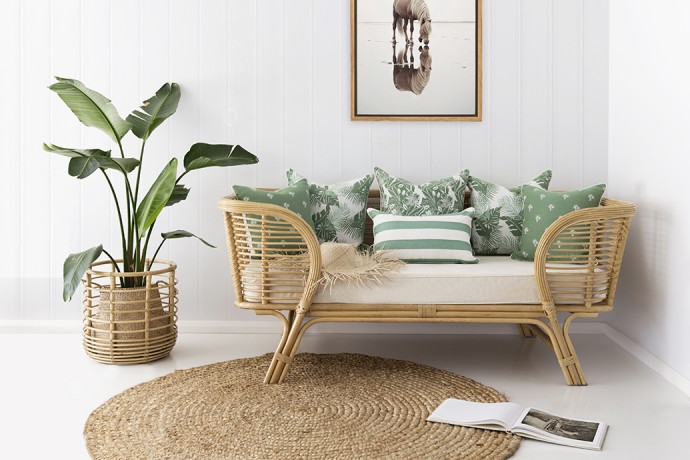
The brief can also account for surrounding objects. A sculptural light may need a calm wall behind it, while a more restrained fixture could sit comfortably among artwork, books, and collected furniture. Even indoor planting affects the composition: foliage can soften a hard-edged fitting, as explored through ideas for low-light interiors.
Search through the right channels
The sourcing route depends on the desired level of rarity, restoration, and budget. Local antique dealers are useful for tactile inspection and practical conversations about provenance. Salvage yards can reveal unusual industrial fittings, although condition and electrical compliance may require considerable attention. Online marketplaces offer breadth, but photographs can conceal scratches, repairs, scale, and missing components.
Designers often rely on relationships built over time. Dealers, architects, set designers, collectors, and electricians may know when a particular estate is being cleared or when a group of lights has arrived from overseas. Specialist fairs and gallery exhibitions can also provide access to objects that are documented more carefully than general marketplace listings.
For Australian projects, local sourcing has practical advantages. Freight is simpler, inspection is easier, and replacement parts may be more accessible. It can also uncover regional design histories, including mid-century fittings, schoolhouse pendants, workshop lights, and pieces produced by Australian manufacturers. The result may have a stronger connection to place than an imported object selected purely for its visual appeal.
Online research remains valuable at the early stage. Images can help identify makers, production periods, common shade shapes, and realistic price ranges. However, a designer should treat listing descriptions as a starting point rather than a guarantee. Terms such as “vintage,” “original,” and “antique” are used inconsistently, and a convincing reproduction may be entirely appropriate if it is accurately described and safely made.
Judge patina, provenance, and condition
Age is not automatically a virtue. The most compelling vintage lights often show wear where use would naturally occur: softened brass edges, slight variation in glass, or a finish that has mellowed over decades. These marks can give the object depth. Damage that affects stability, insulation, or heat management is a different matter and should not be romanticised.
A designer will look for maker’s marks, labels, construction methods, fasteners, and evidence of repair. Original components may increase an object’s value, but they are not always the safest or most practical components to retain. A period shade can often be paired with discreet modern hardware, provided the alteration is documented and does not compromise the object’s integrity.
Condition reports should cover chips, cracks, dents, corrosion, rewiring, missing screws, and previous paintwork. Glass needs especially careful inspection around the neck, rim, and suspension point. Metal shades may have hidden rust beneath a later coating, while fabric shades can hold odours, stains, or fragile seams.
The following guide helps separate visual appeal from project suitability:
| Feature | Worth preserving | Worth questioning | Practical response |
|---|---|---|---|
| Natural patina | Uneven tone and gentle surface wear | Flaking finish or active corrosion | Clean lightly and stabilise the surface |
| Original shade | Maker’s detail and distinctive proportion | Cracks near fittings or suspension points | Replace only when safety requires it |
| Old wiring | Evidence of age and construction | Brittle insulation or exposed conductors | Rewire through a qualified electrician |
| Minor dents | Signs of use that do not affect shape | Warping that prevents secure installation | Repair or use in a less demanding position |
| Provenance | Documented maker, period, or ownership | Unverifiable claims and vague dating | Treat the object as decorative until confirmed |
Make safety part of the design
Electrical work is where a romantic object meets contemporary building standards. Vintage fittings may have been designed for different voltages, bulb technologies, cable types, and heat levels. Their original wiring can be unsafe, and their sockets may not accommodate the lamp specified for the room.
A licensed electrician should inspect and install the fitting. Rewiring can preserve the visible elements while replacing degraded cable, earthing the metalwork where required, and fitting suitable sockets, strain relief, and ceiling hardware. In Australia, the installation also needs to comply with applicable electrical requirements and the conditions of the project.
Heat is another consideration. Enclosed shades can become too warm for certain lamps, and a high-output bulb may damage old finishes or nearby materials. LED lamps generally reduce heat and energy use, but their shape, colour rendering, dimming performance, and brightness must be selected carefully. A cool, harsh LED can undermine the warmth that made the vintage fitting attractive.
Controls should be resolved alongside the lighting plan. Dimmers, layered circuits, occupancy sensors, and smart controls can give an old fixture modern flexibility, though their compatibility with the lamp and driver must be checked. A beautiful pendant that cannot be dimmed over a dinner table is less successful than a quieter fitting that performs exactly as the room requires.
Balance character with contemporary restraint
The final placement is an exercise in editing. One significant vintage fixture can establish a room’s identity, while several unrelated pieces may make it feel like a showroom or a period set. Designers often repeat one quality—such as warm metal, milky glass, or a rounded silhouette—rather than matching every object.
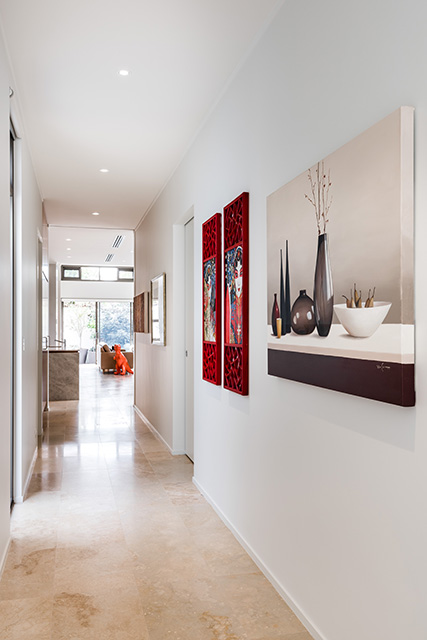
Scale is the most reliable way to create balance. A large pendant can hold its own above a generous table, but a small fitting may disappear against a high ceiling. In a bedroom or passage, repetition can be more effective than size: two matching sconces create a deliberate architectural gesture, even if their finish is gently worn.
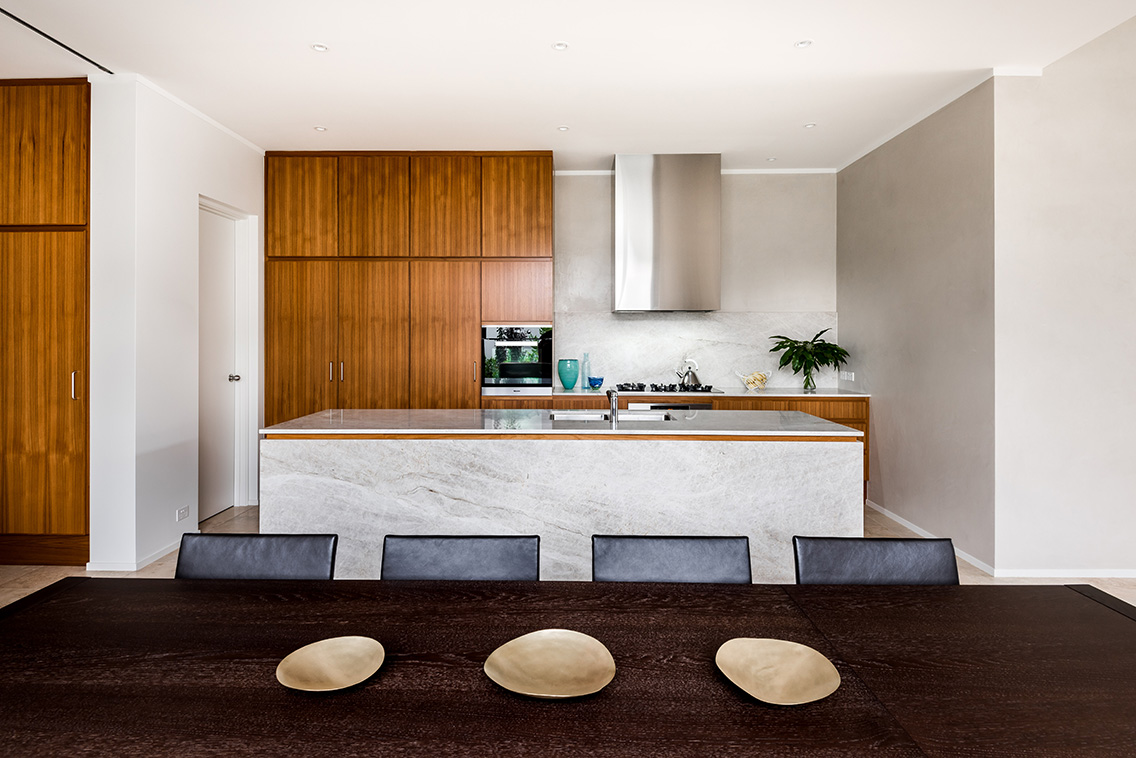
Modern surroundings give vintage lighting room to breathe. Flat-panel joinery, pale plaster, natural stone, and carefully chosen furniture can act as a quiet background for a more expressive fixture. The reverse is also true: a simple opal globe may bring calm to a room with patterned textiles, dark cabinetry, or collected artwork.
Light should be considered at different times of day. A fitting may read as a sculptural object in daylight and as a source of atmosphere at night. Photographing or testing the piece after sunset reveals glare, shadow, reflections, and the way its colour interacts with timber, artwork, and skin tones.
Keep the story visible
The strongest installations allow some of the object’s history to remain legible. A designer might retain a maker’s label, preserve a small variation in glass, or document the source and restoration process for the homeowner. These details create a sense of continuity between the fitting and the life of the house.
That story does not need to be displayed as a formal statement. It may live in the choice of a light once used in a workshop, a pair of sconces found in a local hotel renovation, or a pendant whose proportions reflect an earlier Australian design language. The narrative is felt through material evidence and thoughtful placement.
Responsible sourcing also means being clear about what has been altered. Reproduction, restored, converted, and original are distinct descriptions. Accurate language protects buyers, supports dealers who work carefully, and encourages a healthier design culture around collectible objects.
A considered sourcing checklist
- Measure the room, furniture, ceiling height, and required clearance before searching.
- Define the fitting’s lighting function as well as its visual character.
- Ask for dimensions, condition details, provenance, and photographs of hidden components.
- Budget for inspection, rewiring, freight, restoration, and suitable lamps.
- Confirm that the final installation will be assessed and completed by a licensed electrician.
Vintage lighting works best when it is treated as part of an architectural composition rather than an isolated purchase. The right piece brings age, texture, and atmosphere to a modern home while still meeting contemporary expectations for comfort and safety. Begin with the room, search with patience, and let the final fitting retain enough of its past to make the present feel more layered.