A Landscape Design for a Front Yard That Doubles as Native Habitat
A front garden can do far more than frame a path to the front door. In Perth, where sandy soils, hot summers and long periods without rain shape everyday planting decisions, the verge and front setback can become a small but meaningful ecosystem. With the right structure, a residential garden can offer food, shelter and nesting opportunities for local birds and insects while remaining welcoming, practical and architecturally composed.
This approach treats native habitat as a design brief rather than an afterthought. Plants are selected for their relationship to local conditions, but also for texture, scale, seasonal change and the way they meet a building. A layered planting scheme can soften a hard façade, define arrival and create a stronger sense of place without turning the garden into an unstructured bush block.
For design professionals and homeowners alike, the most compelling results often come from restraint. A limited palette, carefully considered paving and a clear circulation route can support biodiversity while giving the front yard the visual clarity expected of contemporary residential landscape design.
Start with the living conditions
The first step is to understand what the site can already provide. Observe how sunlight moves across the garden, where water collects, which areas are exposed to wind and whether roof runoff reaches the soil. Existing trees should be assessed before decisions are made about removal, pruning or new construction. Their canopy, leaf litter and root systems may already support more life than a newly planted garden could establish for years.
Perth’s suburbs contain a wide range of microclimates. A coastal block may have free-draining limestone or sand and strong salt-laden winds, while an inland site may experience heavier soils, radiant heat from paving and colder winter nights. A plant that performs well in a sheltered courtyard may fail on an exposed verge. Local provenance matters, but so does matching each species to the precise conditions of the block.
Soil preparation should be considered with care. Native plants generally do not benefit from heavily fertilised soil, and some species are sensitive to phosphorus. Improving drainage, removing invasive weeds and applying a suitable low-phosphorus compost or mulch can be more useful than creating a rich garden bed. A soil test is a modest investment that can prevent years of poor plant performance.
Build habitat in layers
Wildlife-friendly landscaping works best when it offers several heights and forms. Groundcovers protect the soil and provide cover for small insects. Grasses and strappy plants create movement and seed heads. Shrubs offer nectar, berries or nesting sites, while a small tree can supply shade, perches and a route through the garden for birds.
For a Perth front yard, a layered palette might include kangaroo paw, native violet, lomandra, dianella, grevillea, westringia, coastal rosemary, banksia or a locally appropriate hakea. The selection should reflect the site rather than rely on a generic list of Australian plants. Species with dense foliage can be positioned near boundaries, while lower planting beside the path maintains clear sightlines and a sense of welcome.
Flowering times are just as important as plant form. A garden that produces nectar throughout the year is more useful than one that offers a single spectacular flush. Combining winter-flowering shrubs with spring and summer perennials can support honeyeaters and native bees across different seasons. Seed-bearing grasses and retained leaf litter add another layer of value, particularly when the garden is not excessively tidied.
Make arrival part of the ecology
A habitat garden does not need to sacrifice a legible entrance. In fact, a strong circulation route can make the planting feel more intentional. Use paving, compacted gravel or stepping stones to establish a clear line from the footpath to the front door, then allow planting to gather around it. A slight shift in path direction can reveal a courtyard, specimen tree or textured planting bed without reducing accessibility.
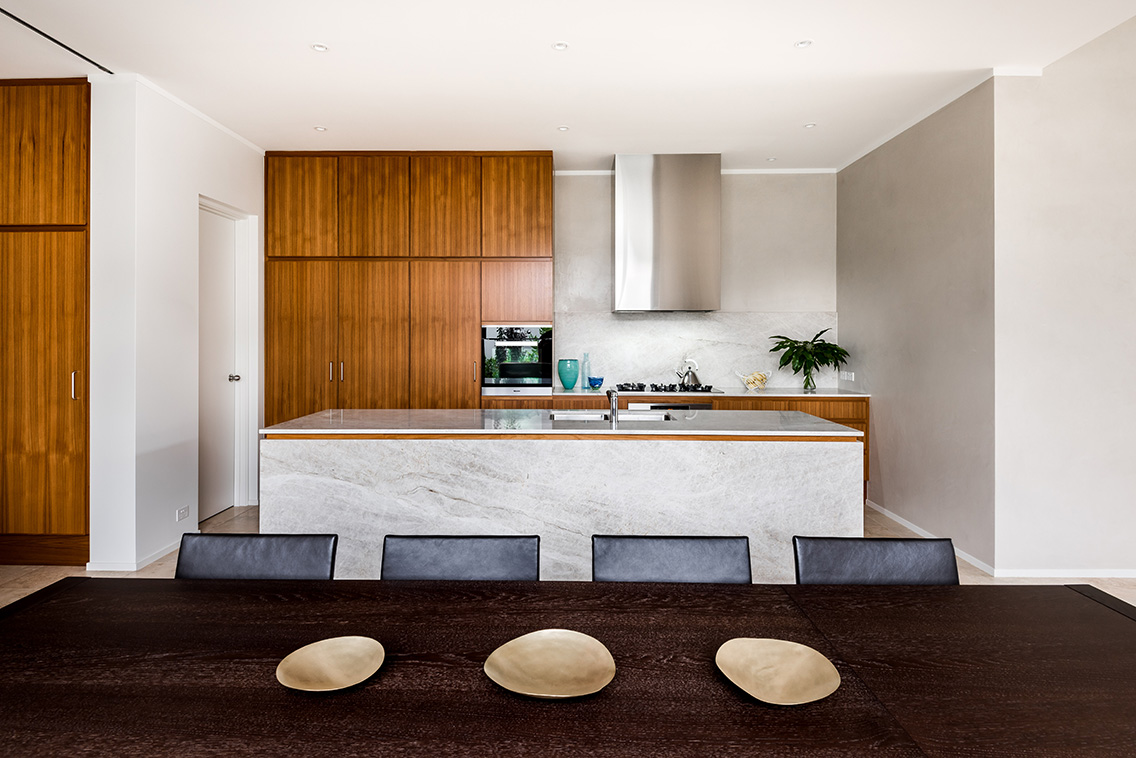
Hardscape materials should respond to the architecture and the climate. Permeable gravel or open-jointed pavers allow rain to reach the soil, while darker surfaces may increase heat around delicate plants. Recycled brick, locally sourced stone and simple concrete can all work effectively when their proportions and junctions are carefully detailed. In a recent Australian design story, a new travertine finish demonstrates how material character can bring warmth and tactility to contemporary spaces.
Edges deserve particular attention. A crisp steel or masonry boundary can contain a looser planting palette, while a planted swale can make the transition between path and garden more natural. Avoid creating hidden corners beside the front door where people feel uncertain about movement or security. Habitat value comes from generous planting, but good design gives that generosity a readable framework.
Balance habitat with everyday use
A front garden must still accommodate bins, deliveries, maintenance access and occasional gatherings. These practical requirements should be mapped at the beginning rather than squeezed into the finished scheme. Screening can hide bins with a trellis, shrub mass or slatted enclosure, provided it leaves enough room for ventilation and collection access.
Water is another defining consideration. Group plants according to their irrigation needs, using a smaller watered zone near the house and tougher dryland species farther away. Drip irrigation can establish new plants efficiently, but mature waterwise landscapes should gradually rely on seasonal rainfall where possible. Mulch helps reduce evaporation, moderate soil temperature and create habitat for decomposers, although it should be kept away from plant stems and building walls.
Lighting needs an equally light touch. Low, warm illumination can make the path safe and highlight a tree’s structure, but intense uplighting and all-night floodlights disturb nocturnal insects and may discourage wildlife. Shielded fittings, timers and motion sensors offer a more considered approach. The objective is to support arrival after dark without flattening the garden’s night-time character.
| Design element | Habitat benefit | Residential design response |
|---|---|---|
| Layered planting | Provides food, shelter and nesting opportunities at different heights | Creates depth and softens walls, fences and paving |
| Local native species | Supports wildlife adapted to regional conditions | Reduces maintenance and improves resilience |
| Permeable surfaces | Allows rainfall to infiltrate the soil | Helps manage runoff around paths and driveways |
| Retained leaf litter | Supports insects and soil organisms | Adds seasonal texture when contained in defined beds |
| Small canopy tree | Offers shade, perches and cooler microclimates | Establishes scale and a focal point near the entry |
| Low-impact lighting | Limits disruption to nocturnal species | Improves wayfinding without over-illuminating the garden |
Choose plants for place and performance
Native does not automatically mean suitable. Some Australian plants become too large for a narrow front yard, shed branches in high winds or require more summer watering than expected. A successful planting plan considers mature dimensions, root behaviour, pruning requirements and proximity to windows, gutters and overhead services.
In Western Australia, local nurseries and specialist growers can provide useful insight into plants suited to particular regions. A coastal garden may call for salt-tolerant species with compact forms, while a suburban block closer to the Darling Scarp may support plants associated with woodland or granite landscapes. Using several plants from the same ecological community can produce a more coherent habitat than collecting unrelated specimens from across the continent.
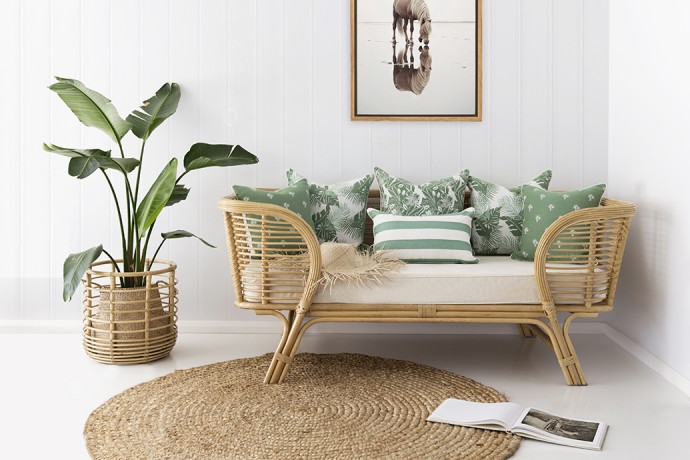
The relationship between plants and architecture should remain visible. A sculptural grass can echo the linearity of a modern façade; a rounded shrub can soften a rectilinear porch; a tall, open-canopied tree can draw the eye upward without blocking the building. Natural materials and planting can also be considered together, as the work promoted through Wine In Design ambassadors reflects the value of connections between architecture, landscape, craft and local culture.
Design for stewardship over time
The best habitat gardens are planned as changing landscapes. Plants will mature, some will self-seed and seasonal conditions will alter the balance of species. A maintenance schedule should therefore focus on observation rather than constant control. Remove invasive weeds before they set seed, prune to preserve paths and sightlines, and allow healthy leaf litter to remain in appropriate areas.
Pest management should begin with habitat balance. Diverse planting can attract predatory insects and reduce the likelihood of a single species dominating. Avoid broad-spectrum pesticides wherever possible, particularly during flowering periods. If a plant is repeatedly struggling, replacing it with a species better suited to the microclimate is usually more effective than forcing it to survive through continual treatment.
Cats, dogs and vehicles also influence habitat potential. A low fence, dense boundary planting or carefully positioned screen can make it harder for pets to enter sensitive beds. Bird baths should be shallow, cleaned regularly and positioned where wildlife has a clear view of approaching predators. Nest boxes may be useful in some settings, but they should be selected for local species and installed with appropriate orientation and maintenance access.
A practical planting brief
Before commissioning drawings or visiting a nursery, prepare a concise brief that connects ecological goals with the daily life of the property. It should include the amount of shade, soil type, existing vegetation, desired privacy, access requirements and the level of maintenance the household can realistically sustain.
Useful priorities include:
- Retain mature trees and healthy groundcover wherever they can be integrated safely.
- Select plants for local climate, mature size, flowering sequence and habitat value.
- Keep paths, entries, utilities and waste storage clear in the initial plan.
- Use permeable paving, mulch and efficient irrigation to manage water responsibly.
- Limit chemical treatments and allow some natural seasonal change in defined areas.
This brief gives a landscape designer a stronger foundation for developing plans, plant schedules and construction details. It also helps prevent the common mismatch between an inspiring garden image and a site that cannot support the same species, materials or maintenance regime.
A front yard designed as native habitat should feel generous without being chaotic, and contemporary without becoming sterile. Its success can be measured in practical ways—cooler paving, lower irrigation demand, a more comfortable entry—but also through quieter signs: a bee moving between flowers, a bird sheltering in dense foliage or leaf litter returning nutrients to the soil.
Bring those observations into the design process from the beginning. Work with a landscape professional or local nursery to translate the character of your block into a resilient planting plan, then let the garden mature with patience and purpose.