Why hempcrete insulation is being tested in a pilot housing project in Fremantle
A pilot housing project in Fremantle is putting hempcrete insulation under practical scrutiny, testing whether a bio-based wall system can meet the demands of Western Australia’s climate, construction industry and housing market. The trial is significant because hempcrete sits between familiar building methods and a different approach to material sourcing, moisture management and energy performance.
Hempcrete is made by combining the woody inner core of industrial hemp with a lime-based binder and water. It is generally used as a non-structural infill around a timber or other structural frame, creating a thick wall that can moderate indoor temperatures while storing relatively little embodied energy compared with many conventional products.
For Fremantle, the appeal is closely tied to place. Perth’s hot summers, strong afternoon sea breezes, winter rain and growing pressure to reduce household energy bills create a useful setting for assessing how the material performs beyond laboratory testing. The project can also reveal whether local builders, certifiers and suppliers are ready to work with a system that remains relatively uncommon in Australia.
| Material or system | Main advantage | Key consideration in a Fremantle pilot |
|---|---|---|
| Hempcrete infill | Thermal buffering, vapour permeability and renewable feedstock | Requires careful detailing, drying time and a compatible finish |
| Conventional glasswool or polyester batts | Familiar installation and broad availability | Performance depends heavily on gaps, compression and wall detailing |
| Rigid foam insulation | High insulation value at a relatively slim thickness | Can have higher fossil-fuel content and different vapour behaviour |
| Rammed earth | Thermal mass and strong visual identity | Labour, wall thickness and moisture protection can complicate construction |
| Compressed fibre or cellulose products | Lower-impact insulation options and recycled content | Availability, fire detailing and installation standards vary |
A wall system suited to passive comfort
Hempcrete’s central promise is its ability to slow the movement of heat through a wall. The material is lightweight and porous, so it does not behave like concrete despite its name. Its thermal mass can absorb and release heat gradually, while the trapped air within the hemp shiv helps resist heat flow.
That combination may suit homes designed around passive solar principles. In Fremantle, shading, cross-ventilation and orientation remain essential, but a hemp-lime wall could help smooth the temperature changes between a hot day and a cooler evening. The benefit is less about producing a dramatic burst of insulation and more about creating a stable indoor environment over time.
The system also has acoustic potential, an appealing quality for compact urban housing close to roads, cafés and neighbours. Its performance will depend on wall thickness, plaster layers, windows and junctions, so the pilot needs to assess the whole envelope rather than treat hempcrete as an isolated product.
Why Fremantle provides a revealing test
Fremantle’s coastal conditions expose buildings to salt-laden air, wind-driven rain and sharp daily shifts in temperature. A wall material that manages vapour effectively could be valuable, especially in homes where air-conditioning is used intermittently rather than continuously. Hempcrete is generally described as vapour open, allowing moisture to move through the wall rather than becoming trapped behind impermeable layers.
This quality does not make the material waterproof. External detailing, roof overhangs, flashings, plinths and a suitable render remain critical. The base of a wall must be protected from splashback and rising damp, while wet construction materials need enough time to dry before finishes are applied.
The local setting also makes construction logistics visible. A project in Fremantle can test how hempcrete copes with a coastal suburb’s planning expectations, tight sites and established streetscapes, rather than being assessed only in a remote or purpose-built demonstration environment.
A lower-impact alternative with local limits
Industrial hemp grows relatively quickly and can provide a renewable source of fibre. The hurd used in hempcrete is a by-product of the plant’s stalk, and the lime binder hardens through carbonation over time. These characteristics can contribute to a lower-carbon wall assembly, particularly when compared with materials that rely heavily on energy-intensive manufacturing or petrochemical feedstocks.
The environmental case still depends on transport, binder content, curing conditions and the full life cycle of the building. Hemp grown interstate may travel a long way before reaching Perth, and a bio-based product is not automatically low impact if it is over-specified, poorly installed or replaced prematurely. A credible pilot should measure the complete assembly rather than rely on broad claims about natural materials.
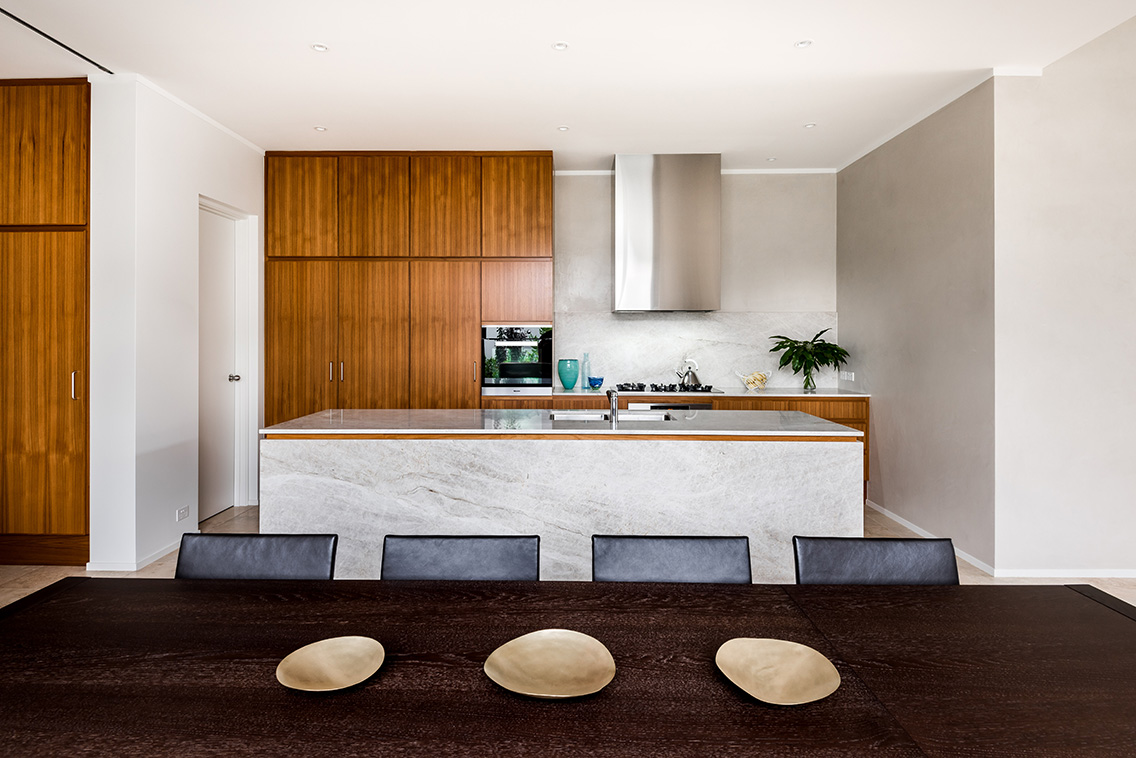
There is also an opportunity to connect the project to a wider Western Australian conversation about local resources and craftsmanship. The thoughtful use of regional materials can be seen in local timber interiors, where material selection contributes to both atmosphere and a sense of place. Hempcrete has a different visual and technical role, but it raises a similar question: how can a building express responsible sourcing without reducing sustainability to an aesthetic?
Fire, moisture and compliance questions
Australian construction must operate within the National Construction Code, applicable energy-efficiency provisions and relevant fire, health and structural requirements. Hempcrete is usually an infill material rather than a load-bearing structure, meaning its performance must be considered alongside the frame, internal linings, external render, insulation continuity and service penetrations.
Fire resistance is a particularly important area for testing. Lime-based hempcrete is not the same as exposed dry plant matter, but the finished wall still needs tested and documented performance within its proposed assembly. Certification cannot be assumed from the material’s ingredients alone. Designers and builders will need clear evidence for the wall build-up, including junctions around windows, doors and roof structures.
Moisture requires equal care. Hempcrete can buffer humidity, yet it must be protected during construction and allowed to dry properly. Perth’s wet winter months may affect scheduling, while summer heat can accelerate drying at the surface without removing moisture deeper in the wall. Monitoring moisture levels before plastering will be one of the practical lessons a pilot can provide.
What builders and suppliers must learn
Hempcrete construction is more dependent on sequencing than many standard insulation installations. A project may involve formwork, a timber frame, on-site mixing or prefabricated blocks, staged placement, curing and breathable finishes. Small changes in density, compaction or moisture can alter the finished performance.
This creates a learning curve for local trades. Perth has a strong network of builders working across renovations, custom homes and commercial fit-outs, but familiarity with a material cannot be assumed simply because it is plant-based. Training, supplier support and well-written specifications will be necessary if the system is to move from a one-off demonstration into repeatable housing construction.
The pilot can also clarify costs. Hempcrete may carry higher design and labour costs at the start, while savings could emerge through reduced mechanical heating and cooling, simpler interior comfort strategies or long-term durability. Comparing the price per square metre alone would miss the wider value of a calmer indoor climate and lower operational energy demand.
Design implications for compact Australian homes
Hempcrete walls are generally thicker than walls using high-performance synthetic insulation. In a dense suburb, that affects floor area, window reveals, cabinetry, boundary setbacks and the relationship between rooms and courtyards. A successful design must treat wall thickness as an architectural quality rather than trying to conceal it at every turn.
The material could support soft, tactile interiors finished with lime plaster, clay-based coatings or other vapour-permeable surfaces. Those finishes may appeal to residents who value natural textures and low-toxicity materials, but they also need to withstand everyday use. Kitchens, bathrooms and laundry areas require especially careful detailing around splash zones and fixtures.
Small residential projects across Australian cities are already demonstrating how much design intelligence can be found in constrained spaces. A bathroom renovation in an art deco apartment shows how new services and contemporary use can be integrated without erasing an existing building’s character. In a hempcrete home, the equivalent challenge is integrating a new wall technology without allowing technical performance to overwhelm the lived experience.
Measuring performance beyond the showcase
A pilot should be observed after the photographs are taken and the walls are finished. Indoor temperature and humidity sensors can compare the hempcrete home with a similar dwelling, while electricity data can indicate whether occupants rely less on air-conditioning during Perth’s hottest periods. Acoustic measurements and resident feedback would add evidence that energy models cannot capture on their own.
The construction record matters as well. Researchers and project partners should document labour hours, material waste, transport distances, curing periods, weather interruptions and the availability of replacement materials. These details will determine whether hempcrete can be delivered reliably by ordinary project teams, not just by specialists working with exceptional support.
Long-term observation is especially valuable in Western Australia. A wall may perform well through the first summer but reveal cracking, render failures or moisture issues after several wet seasons. Tracking maintenance, indoor air quality and occupant comfort over several years would give architects, regulators and developers a stronger basis for deciding where hemp-lime construction belongs in the Australian market.
A Fremantle pilot cannot settle every question about hempcrete insulation, but it can turn an appealing concept into measurable local knowledge. Its value lies in testing the complete system: materials, detailing, trades, certification, cost and daily life. If the results are strong, the project could help expand the conversation about lower-carbon housing across Perth and other Australian cities.
Follow the project’s construction lessons, performance data and design details as they emerge, and support the architects, builders and material suppliers helping test more climate-responsive homes in Western Australia.