Why Blackbutt Is Gaining Ground in WA Outdoor Furniture
Outdoor furniture in Western Australia is being shaped by a more demanding brief. Pieces must withstand intense summer sun, winter rain, coastal salt and the everyday wear of patios, balconies, cafés and public spaces. At the same time, clients are asking where timber comes from, how long it will last and whether its environmental cost can be justified.
Jarrah has long been the instinctive local choice. Its deep red colour, dense grain and strong connection to Western Australian forests have made it a familiar material for benches, tables, screens and garden structures. Yet supply conditions, conservation priorities and changing attitudes to native-forest timber are encouraging designers to consider alternatives.
Blackbutt is emerging as one of those alternatives. The pale Australian hardwood offers a different visual language, reliable outdoor performance and access to more clearly documented plantation and certified supply chains. It is not a universal replacement for jarrah, but it is becoming a persuasive option for projects that balance durability with responsible procurement.
The shift reflects a wider movement in Australian design: materials are being assessed through their entire life cycle, from forest management and transport to maintenance, repair and eventual reuse. In Perth and across WA, that conversation is especially relevant as residential developments, hospitality venues and civic spaces look for timber that feels grounded in place without exhausting local resources.
A New Timber Conversation In Western Australia
Jarrah, or Eucalyptus marginata, remains deeply embedded in WA’s design culture. Its rich colouring suits heritage homes, contemporary interiors and landscaped public settings, while its hardness gives it a reputation for enduring heavy use. Reclaimed jarrah is particularly valued because it carries a visible history and can divert substantial timber from landfill.
The supply picture has changed, however. Western Australia ended commercial logging in native forests from the beginning of 2024, placing greater attention on conservation, carbon storage and the protection of old-growth ecosystems. Existing stocks, recovered material and salvage operations still contribute to the market, but new jarrah furniture requires closer scrutiny of provenance and legality.
Blackbutt, commonly referring to Eucalyptus pilularis, grows primarily in eastern Australia. Its availability through plantation forestry, certified operations and established national timber distributors can make documentation more straightforward for larger commercial orders. For a Perth architect or furniture maker, that consistency may matter as much as the timber’s appearance.
Performance Under The Perth Sun
Outdoor furniture needs a practical level of durability rather than a vague promise of toughness. Blackbutt is regarded as a durable Australian hardwood for above-ground applications, with a relatively stable structure when properly seasoned and detailed. That makes it suitable for dining settings, loungers, benches and outdoor hospitality furniture, provided the design allows water to drain and surfaces to dry.
Perth’s climate places particular pressure on exposed timber. Strong ultraviolet light can fade the surface, while rapid changes between hot, dry conditions and winter moisture can produce checking, movement and finish failure. Blackbutt’s performance depends on sound construction: rounded edges, mechanical fixings suited to hardwood, ventilation beneath components and protection from standing water.
Jarrah performs well outdoors too, especially where its density and natural resistance are useful. Its darker surface can absorb heat, though, which may influence comfort on seating and tabletops in full sun. Blackbutt’s lighter tone generally gives a cooler, more relaxed appearance, while also making dust, oil and weathering patterns easier to read.
Neither species is maintenance-free. A clear exterior coating can slow weathering but will need renewal, particularly near the coast. Many designers now allow both timbers to silver naturally, using a breathable penetrating oil or leaving the surface unfinished where appropriate. The best choice is the one that matches the client’s willingness to maintain the furniture.
The Appeal Of A Lighter Material Palette
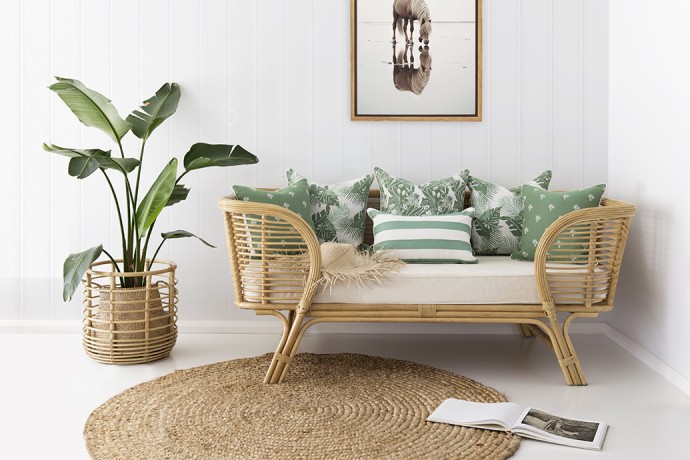
Blackbutt brings a soft honey, straw and warm beige palette to outdoor settings. Over time, uncoated boards weather towards silver-grey, creating a restrained relationship with concrete, stone, galvanised steel and planting. This versatility suits the pared-back material schemes common in new Perth homes and apartment landscapes.
Jarrah makes a stronger visual statement. Its red-brown colour and pronounced grain can anchor a garden or terrace, particularly beside cream masonry, recycled brick or dark metalwork. For heritage restoration and interiors that need a distinctly WA character, jarrah remains difficult to substitute convincingly.
The growing interest in blackbutt does not mean designers are abandoning local identity. It suggests that identity can be built through proportion, craftsmanship, landscape and reuse rather than relying on one species alone. A blackbutt bench designed by a local maker, installed beside native planting and fabricated for repair, can express place through a broader set of decisions.
That approach is visible in the way Western Australian projects combine old and new fabric. In Fremantle, the mixed-use development shows how heritage warehouses and contemporary interiors can coexist without resorting to imitation. Outdoor furniture can take a similar path, acknowledging jarrah’s legacy while using other Australian hardwoods with confidence.
Certification, Provenance And Carbon Questions
The sustainability case for blackbutt depends on its source. The label “Australian hardwood” is not enough by itself. Buyers should ask whether timber comes from a certified plantation or responsibly managed forest, whether the chain of custody is documented and how far the material has travelled before reaching a Perth workshop.
Certification schemes such as FSC and PEFC can provide useful evidence, although certification should be read alongside species, forest type and manufacturing details. Plantation-grown timber may offer a more predictable supply than native-forest material, but plantations still require responsible land management, biodiversity safeguards and careful water planning.
Transport also deserves attention. Blackbutt shipped from the east coast carries a freight footprint before it becomes a chair in Cottesloe or a table in Margaret River. A locally sourced reclaimed jarrah item may therefore have a strong environmental story, even if new blackbutt is easier to specify at scale. Sustainability is a comparison of real supply chains, not a simple ranking of species.
For commercial projects, procurement records can make those distinctions visible. Designers can request species identification, treatment information, certification documents and maintenance instructions as part of the specification. This gives clients a defensible material story and helps prevent vague green claims from taking over the conversation.
Where Blackbutt Makes Sense
Blackbutt is particularly compelling when a project needs repeated components, consistent dimensions and a lighter appearance. Hospitality venues, apartment rooftops and public seating programs often require multiple pieces that can be produced to the same tolerances. Reliable supply helps workshops meet deadlines and makes future replacement easier.
It can also suit mixed-material furniture. Blackbutt pairs comfortably with powder-coated aluminium, stainless steel, recycled plastic, terrazzo and stone. That flexibility is useful for Perth cafés exposed to sea air, suburban outdoor rooms and civic projects where timber must sit within a larger palette of durable finishes.
Designers still need to assess the use carefully. A sheltered balcony, a fully exposed pool deck and a beachside restaurant terrace present different moisture and maintenance conditions. Blackbutt may be a strong choice for one setting and unnecessarily expensive or vulnerable in another.
Reclaimed jarrah remains an excellent option where the project calls for character, local provenance or a high level of resistance. Using it selectively for touchpoints, feature elements or repaired existing furniture can reduce demand for new material while preserving its visual role. The most thoughtful projects may use both species rather than treating the decision as a contest.
Guidance For Specifiers And Buyers
A timber sample only tells part of the story. Outdoor furniture should be assessed through its grain, moisture content, joinery, finish and expected exposure. These practical checks help designers compare blackbutt, jarrah and other Australian hardwoods on equal terms.
Useful questions to include in a specification are:
- Is the timber new, reclaimed or plantation-grown?
- Can the supplier document species and chain of custody?
- What durability class and moisture content apply?
- How will components be repaired or replaced?
The furniture’s construction deserves the same attention as the timber itself. Stainless-steel fasteners, replaceable slats and mechanically fixed joints can extend service life. Glued outdoor joints, trapped water and untreated end grain can undermine even a durable hardwood.
For procurement teams, a concise checklist keeps sustainability measurable:
- Confirm the source before approving the sample
- Specify a maintenance schedule for the site
- Avoid mixed timber batches with unclear provenance
- Design for disassembly, repair and reuse
Local makers can add value by explaining how a piece will age in WA conditions. A workshop that offers sanding, oiling, replacement boards or hardware servicing may produce a lower-impact product over its full life than a cheaper item that is discarded after a few seasons.
A More Flexible Australian Design Language
The movement towards blackbutt reflects a broader confidence in Australian materials beyond the most familiar local species. Spotted gum, blackbutt, messmate, recycled timbers and aluminium are all entering outdoor settings through projects that prioritise performance and traceability. This expands the palette available to architects and allows each material to be chosen for a clear reason.
It also connects outdoor furniture to the wider design community. Events that bring architects, makers, suppliers and clients together can help turn material questions into shared knowledge. The Wine In Design ambassadors represent the kind of cross-disciplinary network where responsible sourcing, craftsmanship and project delivery can be discussed in a practical setting.
For those following the Western Australian design scene, the event program offers another window into the relationships shaping local practice. Conversations over a studio visit, industry gathering or project launch often reveal how a timber decision develops from a client brief into a finished object.
The next phase will be less about declaring one species the winner and more about making informed, place-sensitive choices. Blackbutt is gaining ground because it can meet many outdoor demands while supporting a more flexible approach to sourcing. Jarrah still has an important role through existing stock, reclaimed material and carefully documented supply.
For a new terrace, hospitality fit-out or civic landscape, the strongest result begins with a transparent specification. Ask for provenance, design for maintenance, compare the full supply chain and work with a maker who understands how timber behaves in Western Australia. That process can turn an outdoor furniture purchase into a durable contribution to the state’s evolving design culture.