The Perth Lighting Designer Turning Homes Into Luminous Sculptures
In Dalkeith, light is rarely treated as an afterthought. It moves across limestone walls, catches the surface of timber joinery and settles into rooms facing the Swan River. For one Perth-based lighting designer, that changing atmosphere is the starting point for work that sits somewhere between furniture, sculpture and architectural detail.
The designer’s pieces are made to be noticed even when switched off. They may take the form of a suspended cluster, a softly glowing stone-like volume or a slender floor lamp with the presence of a small artwork. Once illuminated, their role shifts: a fitting can frame a dining table, soften a corridor or draw the eye towards a carefully composed corner.
This approach has found a natural audience in Dalkeith, where substantial homes often give designers room to work with scale. Large windows, high ceilings and considered material palettes create the conditions for a light fitting to become a defining feature rather than a discreet source of brightness.
The work also reflects a broader Australian appetite for lighting with personality. As Perth homeowners and architects look beyond catalogue solutions, sculptural illumination is becoming part of the conversation about how a house feels after sunset.
Designing With Perth Light
The designer’s process begins with observation. Perth has a particular quality of daylight: bright, low and often sharply directional, with a warmth that changes across the seasons. A fitting that looks balanced beneath a grey southern sky may feel too assertive under the intense afternoon sun of a Western Australian summer.
That sensitivity informs the proportions, finishes and diffusion of each piece. Opal glass can temper a harsh glare, while perforated metal creates a more atmospheric pattern across a ceiling. Darkened brass, brushed aluminium and hand-finished surfaces are selected for how they will age in the dry climate, not simply for their appearance in a showroom.
In a Dalkeith residence, this can mean positioning a pendant so it holds its own against a generous view without competing with the river or garden beyond. In a narrower Perth villa, the same design language may be expressed through a wall light that gives a passageway a quiet sense of depth.
The result is lighting that acknowledges the local environment without becoming literal. There is no need to reproduce the colours of the coast or the texture of the bush. Instead, the work responds to the way Western Australian light enters, fades and returns through the rooms of a home.
When A Light Becomes A Room’s Focal Point
A sculptural light fixture changes the hierarchy of an interior. A dining table can become more intimate beneath a low, softly diffused pendant, while a tall stairwell can be given a sense of scale by a vertical installation that follows the rise of the architecture.
This is where collaboration with architects and interior designers becomes important. The lighting designer is often involved before the plasterboard is closed and before joinery dimensions are finalised. Mounting points, access for maintenance, dimming systems and the weight of a large fitting all need to be resolved early.
Australian residential projects bring their own practical considerations. A Perth home may have wide-open living areas designed for entertaining, but it still needs lighting that performs during a winter evening, when the sun disappears early and rooms need a warmer, more concentrated glow. Ceiling heights, air-conditioning vents and the placement of downlights can also determine whether a sculptural piece feels integrated or imposed.
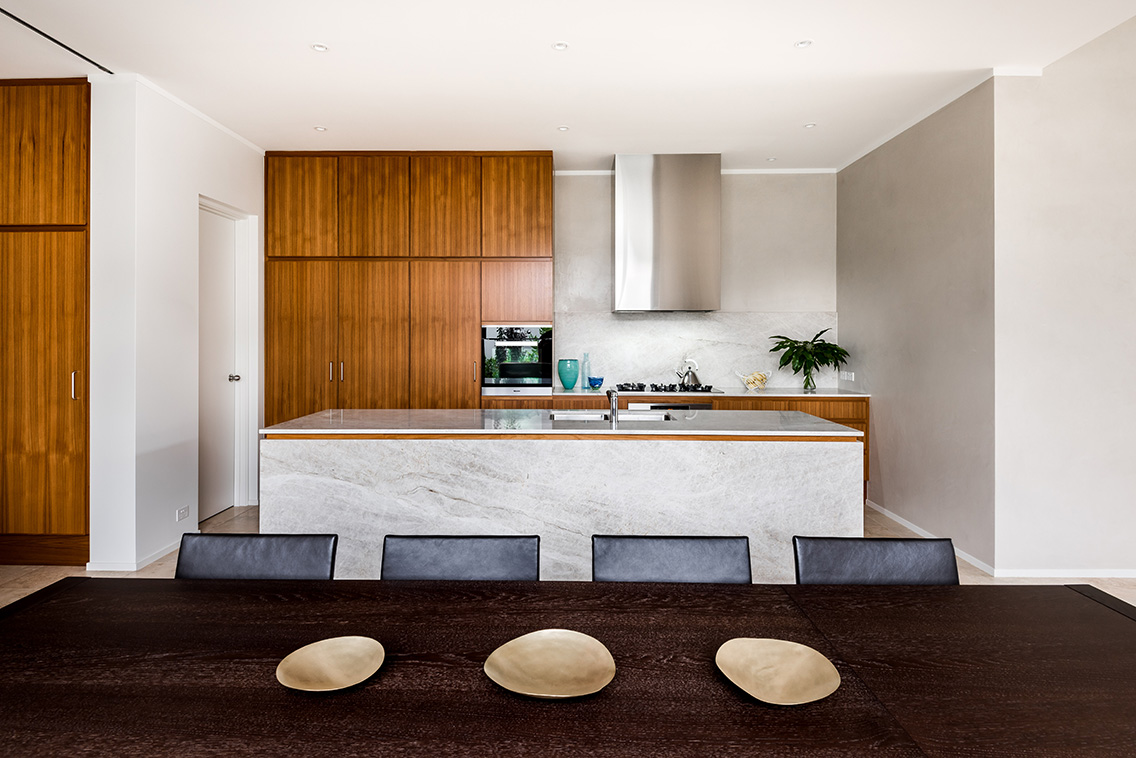
The designer’s strongest work appears to accept those constraints as part of the composition. A cluster of globes is calibrated to sit within the lines of a kitchen island. A pendant is scaled to a long timber table. A wall-mounted piece is given enough breathing room to read as an object rather than another layer of decoration.
Craft, Materials And The Human Hand
There is a deliberate tension between precision and irregularity in the studio’s work. Components are engineered to meet Australian electrical standards and to withstand years of use, yet the finished object retains evidence of making. A slight variation in glass, a brushed edge or a hand-applied patina prevents the fitting from feeling anonymous.
That balance matters in the local market, where clients are increasingly interested in provenance. They want to know who made an object, where it was finished and whether replacement parts can be sourced locally. Lead times, freight from the eastern states and the availability of specialist trades all influence decisions in Western Australia, particularly for one-off residential commissions.
The designer works closely with fabricators, electricians, metalworkers and glass specialists. This network reflects how the Australian design industry operates in practice: a project may involve a Perth architect, a cabinetmaker in Osborne Park, a metal workshop in Welshpool and a glass studio interstate. Good communication is as essential as the original sketch.
For emerging makers and design students, the studio’s practice offers a useful lesson. A memorable lighting design is not created through form alone. It must also account for heat, glare, access, installation, energy use and the realities of a client’s daily life. Beauty survives when those technical decisions are handled with care.
A Growing Place In The Design Community
Sculptural lighting also belongs to a wider cultural shift in Australian interiors. Homes are increasingly treated as settings for collected objects, local craft and personal rituals rather than as exercises in uniform styling. A statement fitting can carry the same emotional weight as a painting or a stone sculpture.
That shift is visible across Perth, from new builds around Nedlands and Cottesloe to renovated workers’ cottages closer to Fremantle. It is also evident in commercial spaces, where hospitality venues use decorative illumination to establish identity before a guest has read the menu or spoken to staff.
The designer’s work sits comfortably within this exchange between architecture and object making. It can be specified as part of a full interior scheme, commissioned as a centrepiece or discovered through an exhibition. The format changes, but the central idea remains consistent: light should contribute to the character of a place, not merely make its contents visible.
For those following the local design calendar, the studio’s perspective connects with the broader conversations presented through Contemporary’s design programme. Events, talks and project coverage create a useful context for understanding how lighting intersects with architecture, material research and the business of making in Australia.
Lighting As A Shared Australian Language
The appeal of these pieces extends beyond private homes. Lighting designers are increasingly part of conversations about public space, workplace interiors and hospitality, where atmosphere can influence how people linger, gather and move. In Perth, that may mean a restrained installation in a wine bar, a welcoming glow in a gallery or a sculptural feature in a boutique hotel near the coast.
This wider reach gives the designer’s practice a sense of relevance beyond the individual object. A pendant may begin as a study in proportion and shadow, then become part of a builder’s specification, an architect’s material palette or a homeowner’s daily routine. Its success is measured through use as much as through visual impact.
The local design scene benefits when these connections are made visible. Exhibitions and industry gatherings give makers a chance to meet architects, suppliers, students and clients who may not encounter one another through ordinary project channels. Contemporary Wine In Design’s exhibitor community reflects that network, bringing together the people and practices shaping the Australian design conversation.
There is also a generosity to the way many Australian designers share knowledge. Conversations about sourcing, fabrication and commissioning can be as valuable as the finished work, especially for a geographically isolated city such as Perth. The Wine In Design ambassadors represent that spirit of connection, helping link the local industry with a broader audience.
A sculptural light in a Dalkeith home can therefore be read on several levels. It is a functional object, a crafted work, an architectural decision and a sign of changing expectations around domestic space. It responds to Perth’s particular light while participating in a national movement towards interiors with greater tactility and identity.
For homeowners, the lesson is simple: a lighting plan can begin with more than brightness and coverage. For designers, it is an invitation to consider the fitting as part of the architecture from the first sketch. And for makers, it confirms that carefully resolved objects can find a lasting place in Australian homes.
Discover more stories about the people, objects and places shaping contemporary design in Australia, and follow the conversations bringing Perth’s architecture and creative community together.