Why Low-VOC Finishes Are Changing Perth Interiors
For Perth designers, paint is becoming a more considered part of the material palette. Colour, sheen and coverage still matter, yet the conversation now extends to what a coating releases into a room, how it performs in Western Australia’s climate and whether its ingredients align with a healthier, lower-impact interior.
Low-VOC paints and wall finishes are appearing across residential renovations, hospitality venues, workplaces and boutique retail settings. The shift is being driven by clients who want better indoor air quality, designers who are scrutinising specifications more closely and manufacturers developing water-based products with improved durability, colour depth and application performance.
| Finish type | Typical appeal | Points designers consider | Suitable Perth applications |
|---|---|---|---|
| Low-VOC acrylic paint | Reduced odour and quicker reoccupation | Washability, touch-up performance and colour stability | Homes, studios, offices and retail interiors |
| Zero-VOC base paint | Very low emissions from the untinted base | Tints and additives can still affect total emissions | Bedrooms, nurseries and sensitive environments |
| Mineral or limewash finish | Breathable, tactile and naturally matte | Variation, sealing and specialist application | Character homes, galleries and feature walls |
| Clay-based finish | Soft texture and muted visual depth | Moisture management and specialist maintenance | Living areas, hospitality spaces and calm commercial interiors |
| Low-emission clear coat | Protects timber, plaster or joinery with less solvent smell | Cure time, abrasion resistance and substrate compatibility | Joinery, cabinetry and high-touch surfaces |
What VOCs Mean For Interior Projects
Volatile organic compounds, commonly called VOCs, are carbon-based chemicals that evaporate into the air at room temperature. In coatings, they can come from solvents, binders, preservatives, tinting systems and other additives. The familiar “new paint smell” is a mixture of airborne compounds, although odour alone is not a reliable measure of a product’s overall emissions.
Low-VOC paint reduces the quantity of these compounds released during application and curing. Zero-VOC claims generally refer to the untinted base, so the final colour may contain additional ingredients. A responsible specification therefore looks beyond a marketing label and checks the technical data sheet, environmental claims, recommended ventilation and any relevant certification.
This distinction matters in occupied buildings. A low-emission coating can help reduce disruption when a family is living through a renovation, when a café needs to reopen quickly or when a workplace cannot afford several days of downtime. It does not remove the need for airflow, correct application and proper curing.
Designers are also considering the full finish system. Primer, filler, sealer and topcoat may each influence emissions and performance. A low-VOC wall colour applied over a solvent-heavy primer will not deliver the same outcome as a coordinated low-emission specification from substrate preparation through to the final coat.
Why Perth’s Climate Shapes The Choice
Perth’s hot, dry summers create a particular set of demands for interior coatings. High temperatures can accelerate drying at the surface while making it harder for a product to level evenly, especially on large walls or ceilings. Experienced painters and decorators adjust application times, manage airflow and avoid coating substrates that are excessively hot.
The city’s coastal conditions add another layer. Homes around Fremantle, Cottesloe and Scarborough may contend with salt-laden air, while older properties can have porous masonry, lime plaster or previous layers of incompatible paint. In these settings, breathability, adhesion and moisture movement can be as important as a low VOC rating.
The “open the doors and let it air out” approach is practical during a Perth renovation, but it is not always possible in apartments, winter projects or secure commercial premises. Low-odour, water-based products make the process more comfortable, particularly when bedrooms, childcare rooms or small hospitality interiors are being finished in stages.
The best result still depends on preparation. Dust, chalking, rising damp and unstable old coatings must be addressed before a premium finish is applied. A breathable mineral paint cannot solve a moisture problem hidden behind a wall, and a low-emission product will not compensate for poor substrate preparation.
Aesthetic Range Beyond Flat White
Early low-VOC products were sometimes associated with limited colour ranges, weak coverage or a plastic-looking finish. That perception is changing. Contemporary water-based paints can provide deep pigments, washable surfaces and a broad selection of low-sheen, eggshell and matt options suitable for refined residential and commercial work.
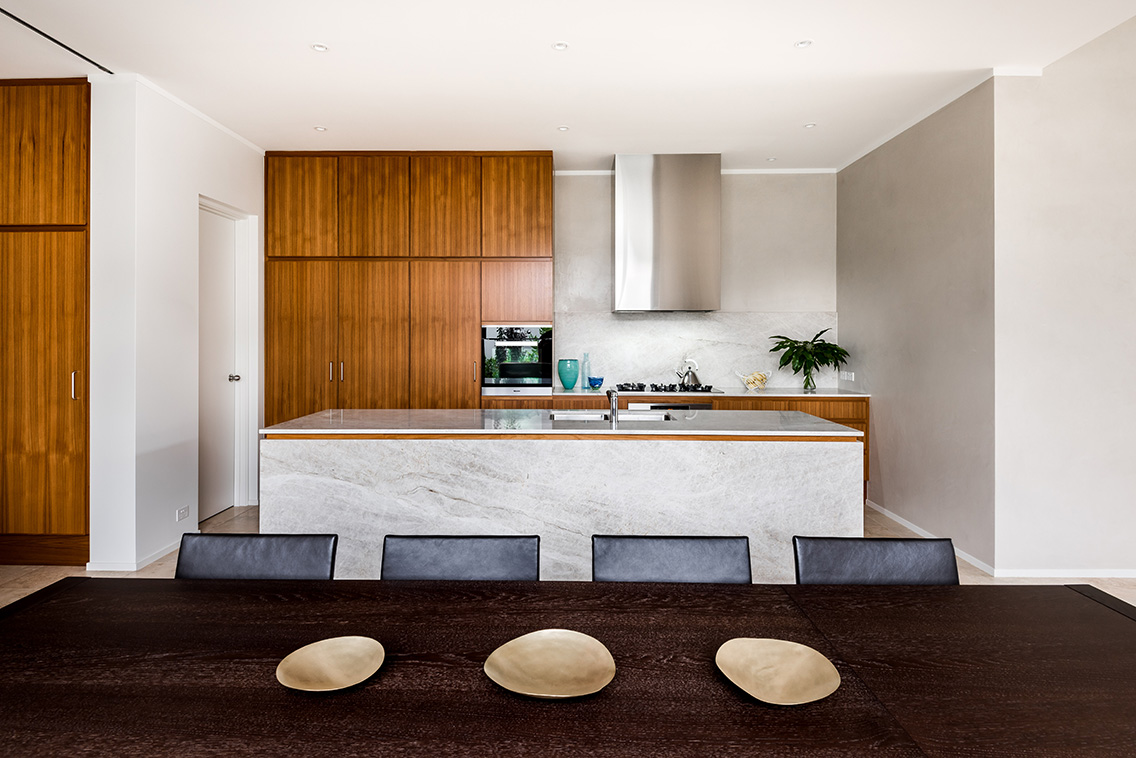
Perth designers are using wall colour as part of a layered material scheme rather than treating paint as a neutral background. Warm whites sit alongside jarrah, limestone and brushed metal; earthy reds and olive greens bring depth to hospitality spaces; and mineral tones can soften the hard geometry of new apartments.
Wall finishes are expanding the conversation further. Limewash, clay plaster, mineral paint and textured coatings introduce movement through brush marks, tonal variation and subtle shadow. These surfaces suit projects where the hand of the maker is valued, including gallery-like homes, independent restaurants and retail interiors with a strong connection to craft.
That variation needs to be documented clearly. A sample board viewed in a showroom will not always predict how a finish behaves across a sunlit wall. Designers often test colours in the actual room, observing them in Perth’s bright morning light, late afternoon warmth and artificial lighting after dark.
Healthier Specifications For Homes And Workplaces
Indoor air quality has become a design consideration alongside acoustics, daylight and thermal comfort. Paint is only one contributor, yet it covers a large surface area and can release emissions during application and for a period afterwards. Selecting lower-emission coatings is therefore a relatively direct way to improve the material profile of a project.
This is particularly relevant in bedrooms, nurseries, medical rooms and compact apartments where ventilation can be limited. It also matters in offices and hospitality venues, where staff and visitors may occupy a space soon after a fit-out. Lower odour can improve the immediate experience, although designers should communicate that “low VOC” does not mean entirely emission-free.
Australian projects require careful reading of product information rather than relying on overseas terminology. Labels, test methods and certification schemes can differ, while claims such as natural, non-toxic or eco-friendly may describe only one aspect of a product. A specification should identify the exact product, colour base, finish, preparation system and cleaning requirements.
For larger projects, environmental product declarations and broader sustainability documentation can help procurement teams compare options. The Green Building Council of Australia’s rating tools have also made material transparency more familiar to commercial clients. This has encouraged designers to ask manufacturers more detailed questions about ingredients, packaging, durability and end-of-life considerations.
Local Craft And Material Conversations
The interest in lower-impact finishes is part of a wider Perth design culture that values local production, tactile materials and a visible making process. A wall finish with a soft variation can sit comfortably beside handmade ceramics, custom joinery or locally sourced stone, creating an interior that feels connected to place rather than assembled from anonymous catalogue items.
That relationship is evident in the growing attention given to makers working across the metropolitan area. A feature on a Booragoon tile maker shows how custom surfaces can carry a story into practical spaces such as kitchen splashbacks. Paint and plaster can play a similar role, giving broad wall areas a crafted quality without competing with a highly articulated tile or joinery detail.
For designers, the material conversation is also commercial. Clients may accept a higher initial cost when a finish contributes to a stronger atmosphere, easier reoccupation or a credible sustainability narrative. Yet durability remains essential. A surface that requires frequent repainting may have a larger environmental footprint than a robust coating with a slightly higher upfront price.
Local trades influence the outcome as well. Perth painters know how summer heat, dust and rapid drying can affect application, and their experience can help designers choose between a conventional acrylic, a mineral coating or a more specialised plaster system. Clear communication about samples, maintenance and expected variation reduces disputes once the project is on site.
From Specification To Site Practice
A successful low-VOC finish begins before the colour is chosen. Designers can establish performance priorities with the client: low odour, washability, breathability, stain resistance, rapid reoccupation or a particular tactile effect. Those priorities make it easier to compare products without treating one environmental attribute as the whole decision.
The specification should include ventilation requirements and curing times, even where a product is marketed as quick-drying. Windows, exhaust fans and mechanical systems need to be managed so that air moves through the space without blowing dust onto wet walls. In a renovation, furnishings and soft materials should be protected from residual odour and fine particles.
On site, trades should follow the manufacturer’s spreading rates and recoat intervals. Applying a coat too thinly, over-thinning the product or recoating before the substrate is ready can undermine coverage and longevity. A low-VOC paint applied carefully by a skilled painter will usually outperform a cheaper product selected without regard to the wall condition.
Designers can also reduce waste through accurate take-offs, reusable sample boards and consolidated deliveries. Unused paint should be stored according to the manufacturer’s advice, donated where appropriate or disposed of through local household chemical collection services rather than poured down drains. Sustainability is built through these practical decisions as much as through the label on the tin.
Where The Market Is Heading
Manufacturers are investing in water-based binders, bio-based ingredients, improved preservatives and colour systems that deliver stronger performance with fewer emissions. The next stage of the market will likely focus on transparency: clearer ingredient disclosure, independently verified claims and better information about durability and maintenance.
Commercial clients are already linking finishes to broader workplace and environmental goals. A new office, hotel or retail space may need to demonstrate responsible procurement to a building owner, leasing partner or certification consultant. Low-emission coatings are one relatively visible part of that larger material strategy.
Residential clients are bringing similar expectations into renovations across suburbs such as North Perth, Mount Lawley and Fremantle. They may talk about “healthy paint”, “no nasty smell” or a finish that is safer around children, while designers translate those concerns into measurable product requirements and realistic installation advice.
Industry events help keep this exchange active. A design community gathering such as That’s A Wrap creates space for architects, makers, suppliers and students to compare ideas beyond the project site. Those conversations can turn a specialist product into a more familiar choice for Perth studios and their clients.
Low-VOC paints are unlikely to replace every coating or suit every substrate. Their importance lies in widening the criteria by which finishes are judged. Alongside colour, cost and appearance, designers are now weighing indoor air quality, local climate, craft, maintenance and the long-term life of a surface.
For Perth practices, the opportunity is to make these considerations visible in the design process. Specify the complete system, request current technical information, test finishes in real light and work closely with experienced local trades. Clients, suppliers and makers who support thoughtful material choices can help make healthier, lower-emission interiors part of the city’s everyday design language.