The New Character Of Vintage Furniture At Fremantle Markets
Fremantle Markets has long been a place for handmade goods, fresh produce, vintage clothing and informal browsing. Recently, its furniture offering has begun to feel more deliberate. Alongside the eclectic stalls and weekend crowds, curated vintage sellers are presenting chairs, cabinets, lighting and decorative objects as considered collections rather than isolated finds.
This shift reflects a wider Australian interest in interiors with history. In Perth, where new apartments and renovated character homes sit alongside coastal houses and suburban builds, vintage furniture offers warmth, provenance and a sense of individuality. At Fremantle, the market stall is becoming a compact showroom for those looking beyond fast interiors and predictable retail ranges.
The market as a design destination
The appeal of Fremantle Markets lies partly in its atmosphere. Browsing happens at walking pace, with the sounds of buskers, conversations and nearby cafés forming a backdrop to the search. A vintage furniture stall benefits from this setting because each item can be examined closely: timber grain, joinery, upholstery, patina and signs of careful repair all become part of the buying experience.
Curated sellers add structure to that spontaneity. Rather than presenting every available object, they select pieces with a shared visual language, period or material quality. One stall may focus on Australian mid-century furniture, while another combines European ceramics, sculptural lighting and compact occasional tables for contemporary apartments.
This approach has helped shift second-hand furniture from a purely practical purchase into a form of design discovery. A market visit can now resemble a small-scale gallery experience, with the added pleasure of negotiating a price, learning an object’s background and taking it home the same day.
Why curation matters to contemporary interiors
Vintage furniture works best when it is edited into a room rather than scattered through it. A single bentwood chair, a low teak sideboard or a large framed mirror can establish a stronger identity than a complete matching suite. Curated stalls make this kind of selection easier by showing customers how unrelated objects might coexist through proportion, texture or colour.
This is particularly relevant in Australian homes, where open-plan living areas often need to perform several functions. A vintage cabinet can separate a dining zone from a lounge without blocking light, while an old timber desk can create a work area with more character than a flat-pack workstation. For compact Perth homes, adaptable pieces also offer practical value.
The market format encourages an unhurried form of decision-making. Shoppers can compare scale, test drawers and imagine how an object will look under Western Australia’s bright natural light. That physical contact is valuable in an era when much furniture is selected from product images and delivered in standardised finishes.
Materials with a Western Australian accent
Local material culture gives Fremantle’s vintage furniture scene a distinctive tone. Jarrah remains especially resonant in Western Australian interiors, with its rich red-brown colour and durable surface connecting furniture to the state’s timber history. A well-maintained jarrah table can sit comfortably in a modern renovation, where its warmth offsets stone, steel and pale painted walls.
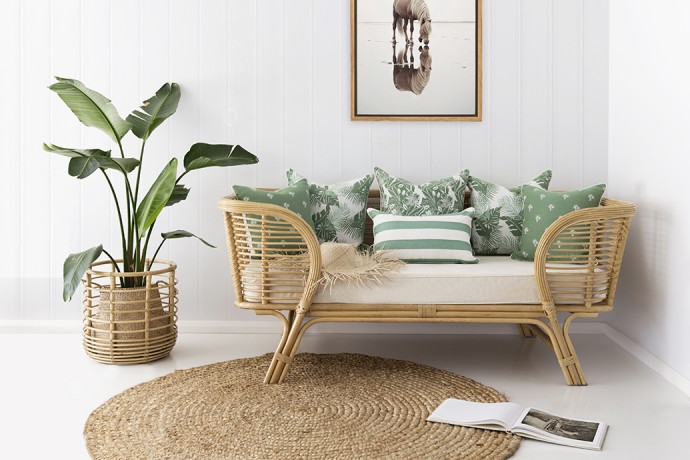
Other pieces reflect the broader Australian design vocabulary: Australian blackwood cabinets, cane seating, wool upholstery, terrazzo surfaces and enamelled metal lighting. These materials often age visibly, revealing how an object has been used without losing its functional purpose. For buyers, that wear can be more appealing than the flawless finish of a newly manufactured replica.
Climate also influences the way furniture is assessed. Perth’s dry heat, strong sunlight and coastal air make condition an important consideration, particularly for timber, leather and outdoor pieces. Good stallholders explain whether a surface has been restored, sealed or left untreated, giving customers the information needed to care for the purchase properly.
The craft of telling an object’s story
A successful vintage stall relies on storytelling without becoming overly theatrical. The seller might identify a chair’s likely decade, explain a maker’s construction method or point out a repair that preserves the original character. These details help an object move from anonymous second-hand item to meaningful design piece.
Provenance can be simple. A cabinet may have come from a Melbourne apartment, a regional Western Australian homestead or a closed commercial fit-out. Its history does not need to be grand to be compelling. What matters is the connection between the object, its material qualities and the person who chooses to give it a new setting.
Photography and presentation reinforce this narrative. A considered arrangement of furniture, artwork and small objects allows the stall to communicate a point of view, much like an editorial interior shoot. It also reflects the wider visual culture of Contemporary, where architecture, furniture and everyday life are considered together rather than treated as separate categories.
From market find to layered home
The strongest vintage purchases are often pieces that create contrast. A sculptural 1970s lamp can sharpen a restrained kitchen, while a traditional timber bench can soften a polished concrete entry. In a Perth renovation, older furniture can prevent a new interior from feeling too uniform, especially when cabinetry, flooring and appliances have been selected as a single package.
This layering connects with the growing interest in integrated and flexible domestic spaces. A living area may include exercise equipment, work facilities, storage and entertaining zones, requiring furniture that contributes visually as well as functionally. Ideas around integrated gym ideas show how practical needs can be absorbed into a home’s broader design language.
Vintage pieces are useful in these settings because they rarely look like specialist equipment. A slim sideboard can conceal accessories, a cabinet can store media or fitness items, and a small stool can move between a desk, dressing area and guest room. Their flexibility makes them valuable far beyond decorative appeal.
The relationship between old pieces and new design
Curated vintage furniture does not exist in opposition to contemporary design. It often becomes most effective when placed beside new work from Australian designers and makers. A modern sofa can gain depth from an older coffee table, while a newly built kitchen can be balanced by a vintage pendant or a set of timber dining chairs.
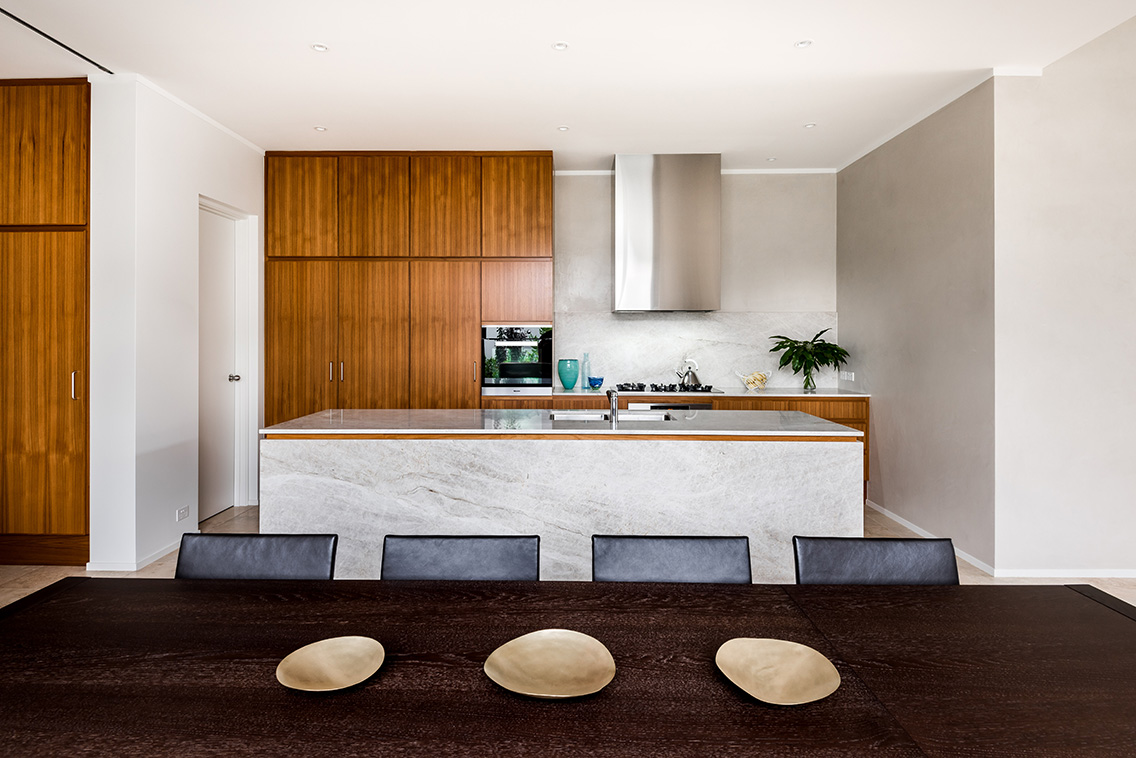
Perth’s expanding design culture provides a natural setting for this exchange. Homeowners may visit a local showroom for architectural cabinetry and then search Fremantle for the object that gives the finished space a more personal register. A recent Perth kitchen showroom illustrates how contemporary joinery can provide a disciplined backdrop for collected furniture and objects.
This dialogue also supports repair and adaptation. Upholstery can be renewed, electrical components can be checked, and damaged surfaces can be stabilised rather than discarded. The result is an interior that acknowledges the past while remaining suitable for current patterns of living.
Buying with a sharper eye
The growth of curated stalls makes the market more rewarding, though it also asks buyers to become more observant. Condition, dimensions and construction should be considered alongside appearance. A beautiful piece may need rewiring, reupholstery or careful transport, and these costs should form part of the decision.
Practical considerations for a considered purchase
- Measure doorways, lifts and available floor space before buying large furniture.
- Check timber joints, drawer runners, veneers and the underside of tables for repairs or pest damage.
- Ask whether lighting has been rewired and whether upholstery uses suitable contemporary materials.
- Look for pieces that can serve more than one purpose in an apartment or open-plan home.
- Record the seller’s care advice, provenance details and any restoration work completed.
A useful habit is to photograph the piece in context before committing, particularly when shopping for a statement cabinet or dining table. Perth’s homes vary widely in scale, from narrow inner-city terraces and apartment buildings to generous suburban houses, so an object that feels balanced in a market aisle may dominate a domestic room.
It is also worth allowing time for the piece to settle into the home. Vintage furniture does not need to create an instant themed interior. Its value often becomes clearer as it begins to interact with contemporary lighting, artworks, books and daily routines.
Fremantle Markets’ curated furniture stalls signal a broader change in the way Australians think about interiors. The market is no longer simply a place to find something unusual; it is becoming a meeting point for conservation, styling, local enterprise and design education. Each purchase carries a material history, while each new arrangement gives that history a different future.
For designers, students and enthusiasts, the stalls offer a direct way to study proportion, construction and material ageing. For homeowners, they provide an accessible route to a more individual interior. The same spirit of exchange can be found at local industry gatherings, including Wine In Design registration, where Perth’s architecture and design community comes together around ideas, objects and shared practice.
Make time for a slower visit to Fremantle Markets, speak with the stallholders and look closely at the pieces that have been chosen for display. The right vintage object can bring texture, memory and a distinctly Australian sense of place into a contemporary home.