The outdoor furniture launches shaping Australian backyards
Australian outdoor living is becoming more considered, architectural and flexible. The backyard is no longer treated as a leftover zone between the house and the garden; it is an extension of the living room, a place for long lunches, quiet mornings, working from home and entertaining after dark.
This season’s strongest outdoor furniture launches respond to that shift with generous modular seating, lighter silhouettes, weather-resistant finishes and pieces that can move between paved courtyards, balconies and expansive gardens. The emphasis is on longevity and atmosphere rather than novelty alone.
For Australian homes, the most successful designs also need to negotiate intense sun, sudden rain, coastal air and the practical demands of everyday use. The best collections balance visual restraint with materials that age well, making them suitable for both contemporary architecture and established gardens.
A new language for the backyard
The latest releases move away from the expected combination of bulky synthetic wicker and oversized loungers. Instead, designers are exploring powder-coated aluminium, stainless steel, solid teak, recycled plastics and outdoor-grade upholstery in more refined proportions.
This material mix gives outdoor spaces a stronger relationship with architecture. Slim frames echo window lines and balustrades, while softly upholstered forms bring some of the comfort and informality traditionally associated with interiors. The result is furniture that looks intentional from inside the house as well as from the garden.
Colour is also becoming more nuanced. Alongside white, black and charcoal, collections are introducing clay, olive, deep blue, sand and muted yellow. These tones work particularly well against Australian planting, from coastal grasses and pale stone to dense native foliage.
Modular seating takes centre stage
Flexible seating remains the most important category in the new-season edit. Modular sofas allow homeowners to build an arrangement around a pool, fire pit or outdoor dining zone, then reconfigure it when the occasion changes. Corner units, armless chairs and ottomans are especially useful in homes where one area serves several purposes.
Jardan’s outdoor offering continues to demonstrate the appeal of domestic-scale proportions. Its softer cushions and restrained palette make the collection feel more like living-room furniture translated for alfresco use, rather than commercial hospitality seating placed outside. The approach suits covered verandas and courtyards where comfort is central.
Tait’s outdoor collections take a more architectural direction, with crisp metal structures and upholstery designed for Australian conditions. The Melbourne brand is particularly strong at creating pieces that feel graphic without becoming severe. A Tait setting can define a terrace clearly while allowing paving, planting and views to remain visible.
Koskela is another Australian reference point, especially for buyers looking for practical design with a strong local identity. Its outdoor pieces often combine robust construction with approachable forms, making them useful for family gardens, shared courtyards and hospitality-style entertaining at home.
What works in Australian conditions
Material selection should begin with exposure rather than appearance. A balcony with full western sun places different demands on furniture from a shaded northern veranda, while a coastal property requires careful attention to salt and airborne moisture.
Powder-coated aluminium remains one of the most dependable choices because it is lightweight, resistant to corrosion and easy to move when a space needs to be cleared. It is well suited to apartment terraces and compact courtyards. Stainless steel offers similar durability with a more precise, contemporary character, although it still benefits from regular cleaning near the coast.
Teak brings warmth and tactility to outdoor settings, but it should be selected from responsible sources and allowed to weather naturally or maintained according to the manufacturer’s advice. Over time, untreated teak develops a silvery surface that can look particularly effective alongside concrete, brick and native planting.
Upholstery deserves equal attention. Look for solution-dyed acrylics, removable covers, quick-dry foam and fabrics tested for ultraviolet exposure. These details may be less visible at the point of purchase, yet they determine whether a sofa remains comfortable and presentable through several summers.
Standout pieces for the new season
The strongest releases are united by versatility. They can furnish a restrained architectural courtyard, but they are not so precious that they cannot handle a family gathering or an unplanned afternoon outdoors.
| Collection or direction | Defining quality | Best suited to | Design note |
|---|---|---|---|
| Tait outdoor seating | Powder-coated metal and clean geometry | Contemporary terraces and poolsides | Use as a sculptural anchor |
| Jardan outdoor collection | Softer proportions and residential comfort | Covered verandas and entertaining areas | Layer with rugs and warm lighting |
| Koskela outdoor furniture | Durable construction and practical forms | Family gardens and shared courtyards | Works well with timber and planting |
| Fermob colour-led pieces | Lightweight steel and broad colour range | Balconies, patios and dining areas | Mix shades for a relaxed setting |
| Teak modular furniture | Warm natural grain and long service life | Coastal homes and lush gardens | Allow the timber to silver naturally |
| Recycled-plastic seating | Low maintenance and strong colour retention | Pool areas and high-use spaces | Choose pieces with considered detailing |
Fermob’s colourful outdoor furniture remains a useful counterpoint to the neutral palette dominating many Australian projects. Its lightweight steel chairs and tables are easy to relocate, which makes them valuable for smaller homes where the dining area may change throughout the day.
Recycled-plastic collections are also gaining ground. When well designed, they offer impressive resistance to moisture and staining, while reducing the maintenance associated with natural materials. The best examples avoid looking overly utilitarian through rounded edges, textured finishes and carefully considered colour.
Dining settings become more relaxed
Outdoor dining is moving away from the formal six-seat arrangement and towards more fluid settings. Extendable tables, bench seating and mixed chairs make it easier to accommodate both a weekday meal and a larger gathering. Round and oval tables are especially effective where circulation matters, as they soften corners and keep conversation inclusive.
For Perth homes, a dining table under a pergola or deep eave can become a year-round centre of activity. Pairing a substantial table with lighter chairs prevents the setting from feeling visually heavy. Aluminium works well for this balance, while timber introduces a warmer note against masonry or rendered walls.
Lighting should be considered at the same time as the furniture. Portable rechargeable lamps, pendant lights beneath a covered roof and discreet wall fittings can extend the use of a setting into the evening. The aim is to illuminate the table and nearby planting without making the whole backyard feel brightly exposed.
Hardware and joinery also influence the quality of an outdoor room. Small details such as handles, latches and taps can carry the same design language as the furniture; a recent brass tapware range shows how a practical fitting can become part of a broader material palette.
Small spaces demand adaptable design
Balconies and narrow courtyards benefit from furniture that can perform several roles. A compact bistro table can serve as a breakfast setting and a work surface, while a deep bench can provide seating, storage and a place to display pots. Folding chairs remain useful, especially when they have a strong enough profile to look deliberate rather than temporary.
Sliding screens and layered thresholds can make an outdoor area feel larger by giving the eye a changing relationship with the interior. The principles explored in this look at flexible apartment planning translate easily to balconies, where furniture placement should support several configurations rather than block movement.
For small spaces, visual weight matters as much as physical footprint. Raised frames, open backs and slender legs preserve sightlines, while pale finishes can reflect light. A single generous lounge chair may be more effective than several small pieces if the goal is to create a calm retreat.
Built-in furniture can also be worthwhile where space is limited. A masonry bench or timber seat integrated into a planter edge leaves the floor clear and gives the garden a stronger sense of permanence. Freestanding cushions and a small side table can then add comfort without committing the entire space to one arrangement.
How to choose pieces that last
A considered purchase starts with the way the furniture will be used. A household that entertains frequently may prioritise stain-resistant upholstery, stackable chairs and a large dining surface. Someone furnishing a quiet courtyard might value a deep lounge chair, a small table and a sunshade more than a complete suite.
Scale is another decisive factor. Before ordering, mark the furniture footprint with tape or cardboard and allow generous circulation around it. Dining chairs need room to pull back, while a modular sofa should leave enough space for people to pass without squeezing between cushions and walls.
Maintenance should be realistic rather than aspirational. Even the most durable outdoor furniture needs occasional cleaning, and cushions should be stored or covered during prolonged wet weather. Choose designs with replaceable covers, accessible fixings and components that can be repaired instead of discarded.
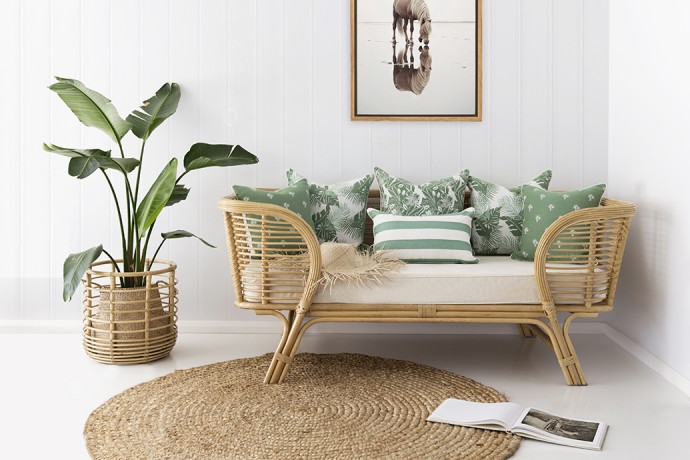
A restrained palette will usually have greater longevity than a coordinated set purchased all at once. Combine one strong material with two supporting finishes: perhaps a teak table, powder-coated chairs and textured stoneware, or an aluminium sofa, woven accessories and dense green planting. This creates a setting with character while leaving room for future changes.
A practical edit for the backyard
- Prioritise UV-resistant upholstery, corrosion-resistant frames and replaceable components.
- Measure circulation paths before selecting a sofa, dining table or sun lounge.
- Choose modular or stackable pieces when the backyard has more than one function.
- Combine warm timber or woven textures with aluminium to balance comfort and durability.
- Treat lighting, shade and planting as part of the furniture composition rather than later additions.
The most compelling outdoor furniture launches for Australian homes are those that make daily life easier while giving the backyard a distinct visual identity. They acknowledge climate, support flexibility and offer enough refinement to sit comfortably beside contemporary architecture.
Explore the latest Australian design stories, product releases and residential projects through Contemporary, and follow the ideas shaping the country’s outdoor rooms this season.