The Best Australian-Made Rugs for Every Room in Your Home
A rug can establish the scale, temperature and rhythm of an interior long before the furniture is fully arranged. In Australian homes, where open-plan living, hard flooring and strong daylight are common, the right floor covering also brings acoustic softness and a sense of welcome.
Choosing an Australian-made rug adds another layer to that decision. It can mean supporting local manufacturing, using fibres suited to the country’s climate, and commissioning a piece that responds to the exact dimensions of a room. It can also mean looking closely at product descriptions, because “Australian designed” and “Australian made” are not interchangeable terms.
The most successful choices balance material, construction, colour and use. A richly textured wool rug may be perfect beside a bed but impractical beneath a dining table, while a flatweave can work beautifully in a high-traffic passage yet feel too spare in a quiet reading room.
Understanding Australian-Made Rugs
Australian-made rugs remain a more specialised category than Australian-designed rugs. Many respected local brands develop their patterns and colour palettes here, then work with specialist manufacturers overseas for hand-tufting, hand-knotting or weaving. That arrangement can produce excellent rugs, but it should be described accurately.
For a genuinely locally made option, look for clear information about where the fibre is processed, where the rug is woven or tufted, and where it is cut, finished and bound. The Australian Made Campaign logo can help, although the product listing should still explain the manufacturing process. A locally produced wool carpet can also be cut and bound into a custom rug by an Australian flooring workshop.
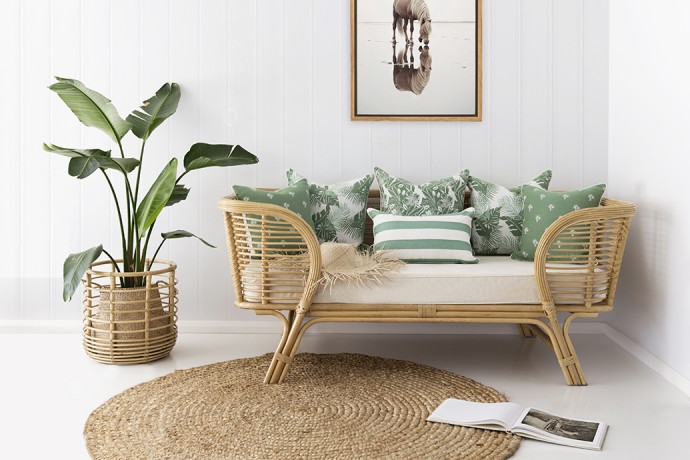
Wool is often the most compelling choice for Australian interiors. It is naturally resilient, has a comfortable hand underfoot and can moderate the visual and acoustic hardness of timber, concrete and stone. Cotton, jute and recycled fibres offer different textures, but their suitability depends on the room, the weave and the level of maintenance required.
Living Rooms Need Texture And Scale
The living room is where a rug has the greatest compositional responsibility. It should gather the seating arrangement rather than sit like a small island beneath the coffee table. Ideally, the front legs of sofas and lounge chairs rest on the rug, creating a unified zone within an open-plan layout.
A locally made wool rug in a restrained tonal pattern is a dependable choice for this setting. Natural undyed shades, charcoal, rust, eucalyptus green and muted blue can sit comfortably with Australian timbers and stone. A subtle herringbone, ribbed surface or low-relief pattern introduces depth without competing with artwork, upholstery or architectural detailing.
For a compact apartment, choose a flatwoven or low-pile design that allows doors and furniture to move freely. In a larger house, a generous hand-finished rug can define the living area and reduce reverberation across polished concrete or timber floors. Before ordering, tape the proposed dimensions on the floor; the visual difference between a rug that finishes just inside the seating and one that extends beyond it is considerable.
Australian design coverage often shows how much atmosphere can be created through modest material shifts. Readers planning a visit to local creative events can also claim a free design pass, an opportunity to see how rugs, furniture and architecture work together in real spaces.
Dining Areas Reward Practical Weaves
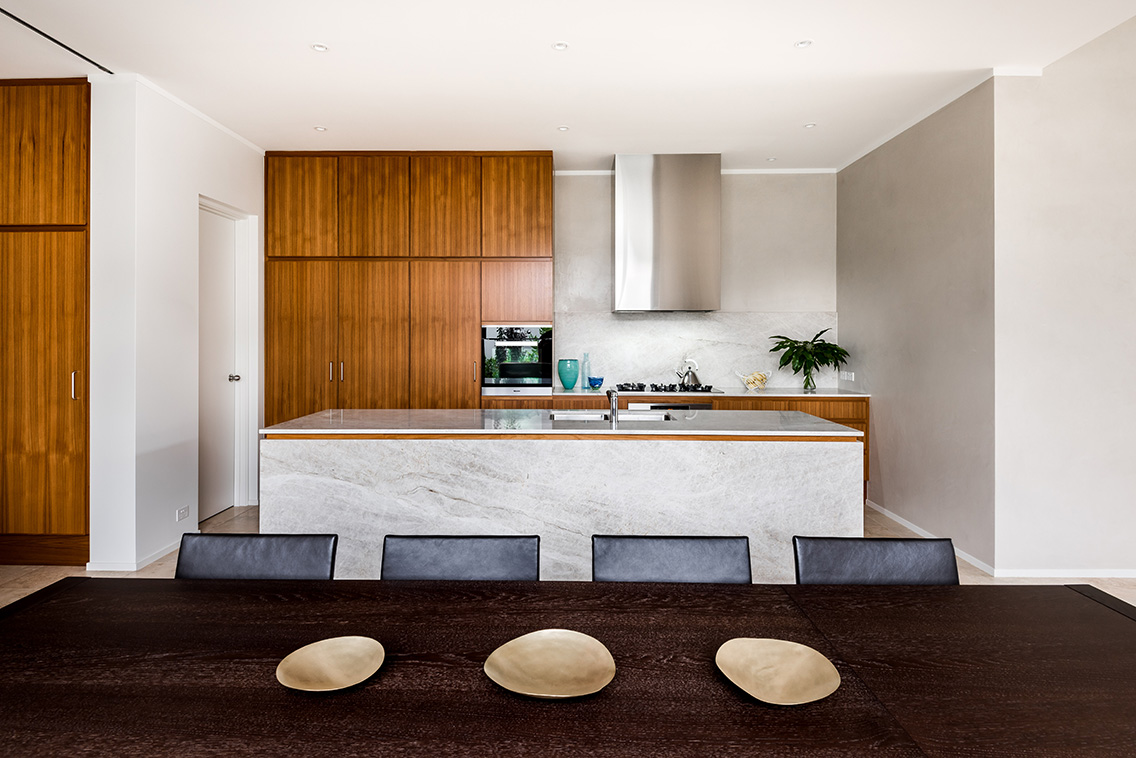
Dining rooms demand a more disciplined approach. Food, chair movement and repeated cleaning make deep shag, loose fringe and delicate looped textures poor choices beneath a table. A low-pile wool rug or tightly woven flatweave is easier to vacuum and less likely to catch chair legs.
The rug should extend far enough for chairs to remain on its surface when pulled back from the table. Measure the table, add the depth of the chairs and allow extra clearance on every side. A rectangular rug generally suits a rectangular table, while a round rug can emphasise a circular setting and soften a more angular room.
Pattern can be useful in a dining space because it disguises crumbs and minor marks between cleans. Consider small-scale checks, restrained stripes or variegated yarns rather than a single pale colour. If the dining area opens directly onto a kitchen, a darker border or mottled field can provide visual definition without creating a heavy divide.
| Room | Suitable construction | Fibre direction | Key design priority |
|---|---|---|---|
| Living room | Low to medium pile, flatweave or textured wool | Durable natural fibre | Scale and acoustic comfort |
| Dining room | Tight flatweave or low pile | Wool or easy-care blend | Chair movement and cleaning |
| Bedroom | Soft pile or plush wool | Wool, cotton or tactile blend | Warmth and underfoot comfort |
| Hallway | Flatweave or narrow runner | Dense wool or durable recycled fibre | Traffic resistance |
| Home office | Low pile with stable backing | Wool or hard-wearing blend | Smooth chair movement |
| Covered outdoor area | Weather-resistant flatweave | Recycled PET or treated fibre | Moisture and fade resistance |
Bedrooms Call For Quiet Comfort
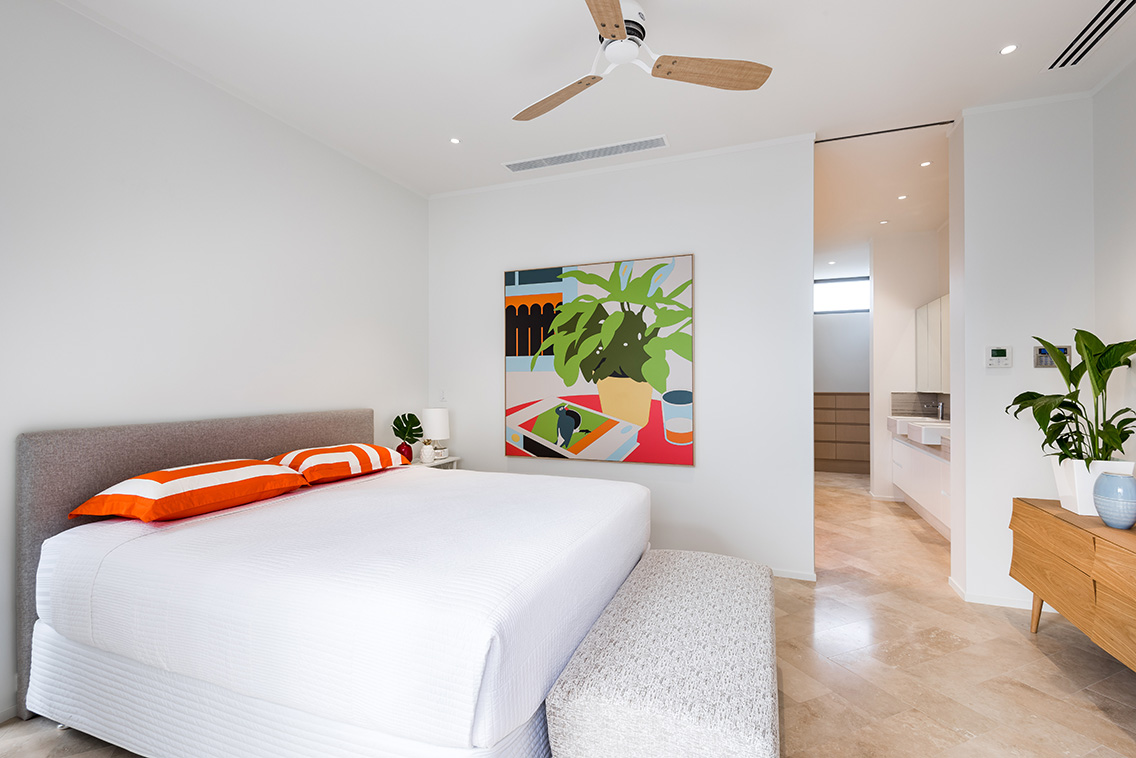
In a bedroom, the rug is experienced primarily through touch. It should make the first step in the morning feel warmer, while contributing to the calm visual language of the room. Wool with a soft, dense pile is a strong choice, especially in cooler southern climates or homes with timber flooring.
There are several effective placements. A large rug can sit beneath the bed and extend beyond both sides and the foot. Two runners can be placed beside the bed when a full-size rug would overwhelm the room. A smaller rug at the foot of the bed creates a focal point without covering the entire floor.
The bedroom is also a good setting for natural variation. Hand-spun yarns, gentle irregularities and tonal shifts give a rug character without adding visual noise. Avoid choosing a colour solely from a small online image; daylight, wall paint and bedding can significantly alter how a neutral rug appears.
For children’s bedrooms, prioritise a dense construction with a stable edge and straightforward care instructions. Flatweaves are practical for play areas, while washable cotton styles may suit temporary rooms, although their colourfastness and construction should be checked before purchase.
Hallways And Workspaces Need Resilience
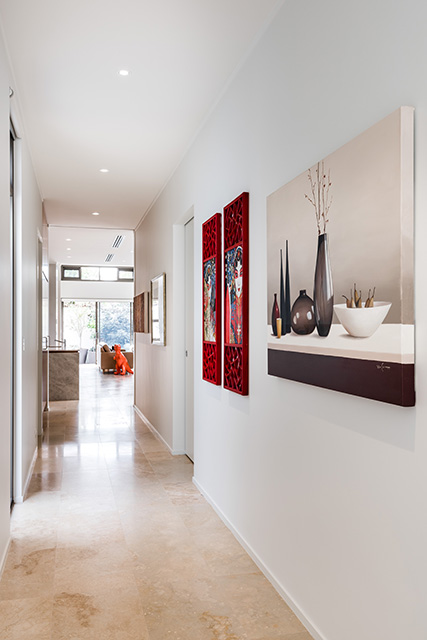
Hallways experience concentrated foot traffic, so a runner must withstand friction at its centre and along its edges. A dense wool flatweave is often preferable to a high-pile rug, particularly where doors open across the floor. Look for firm binding, a suitable underlay and dimensions that leave enough visible flooring to frame the passage.
Long corridors can benefit from a patterned runner that breaks up the tunnel effect. Stripes draw the eye through the space, while a small geometric repeat creates rhythm. In a heritage home, a muted traditional motif can connect original details with contemporary furniture; in a newer house, an abstract pattern can echo the geometry of joinery or windows.
A home office needs a slightly different balance. The rug should soften sound and make the room feel settled, but it must allow an office chair to move smoothly. Low pile is usually the safest option, and a firm underlay can prevent rippling. If the chair has castors, test the rug sample with the chair before committing to a large custom piece.
Kitchens And Covered Outdoor Spaces
A rug in the kitchen can make an efficient working zone feel more considered, especially in a narrow galley or beside a long island. Choose a narrow flatweave with a secure edge and place it where standing comfort matters most, rather than covering the entire floor. Natural wool can work well away from splash zones, but spills should be treated quickly.
Washable cotton and recycled synthetic rugs have a practical role in kitchens, laundries and covered outdoor rooms. They tend to dry more quickly than thick wool and can tolerate more frequent cleaning. Their environmental credentials vary, so check the fibre source, backing, dyes and expected lifespan rather than relying on a single sustainability claim.
Outdoor rugs should be reserved for genuinely protected areas unless the manufacturer specifies full weather resistance. Sun, moisture and airborne dust can accelerate fading and mildew. A lightweight flatweave that can be lifted, cleaned and stored is often more useful than a heavy rug that remains exposed year-round.
Local design culture thrives when product knowledge is shared alongside finished projects. A recent wrap-up report can offer a sense of the conversations shaping Western Australia’s architecture and interiors community, where material performance and responsible production are increasingly connected.
How To Choose With Confidence
The best rug is the one that responds to the room’s real conditions. Consider entry points, pets, children, sunlight, underfloor heating, cleaning routines and the direction of furniture movement before becoming attached to a particular colour or pattern. A sample is valuable because it reveals pile height, surface variation and the way light moves across the fibres.
Ask the retailer or maker for details about origin, construction and care. If a product is promoted as Australian-made, request specific information about the manufacturing stage completed in Australia. For custom rugs, clarify whether the design, weaving, finishing and binding occur locally, and ask how long the material is expected to last.
- Select wool for durable warmth and naturally rich texture.
- Use low-pile or flatwoven rugs in dining rooms, halls and offices.
- Confirm the complete finished size before ordering a custom piece.
- Add a quality underlay to improve comfort, stability and longevity.
- Check cleaning instructions, fibre origin and manufacturing claims.
A rug should also relate to the architecture around it. In a coastal home, a dry, sun-washed palette may reinforce the landscape; in a dark, richly detailed interior, a deep tonal weave can make the room feel enveloping. The most convincing interiors rarely rely on a rug as an isolated decorative object. They use it to connect materials, furniture and movement.
For designers, students, makers and homeowners, seeing materials in person can sharpen those decisions. Attend the next local gathering through the Wine In Design invitation to encounter the people and ideas influencing Australian interiors, then take that same attention to provenance and craft into your next rug purchase. A carefully chosen locally made floor covering can serve a room for years while giving the interior a stronger connection to place.