How Mirrors Can Make A Small Perth Apartment Feel Larger
In a compact Perth apartment, a mirror can do far more than provide a last-minute check before heading out. Positioned carefully, it can extend a sightline, bounce daylight into a dim corner and make a narrow living area feel less enclosed. The effect is especially valuable in apartments where every square metre has to support several functions.
The best results come from treating reflective surfaces as part of the architecture rather than as decorative add-ons. A mirror can reinforce the geometry of a room, clarify the relationship between the kitchen and living zone, or create a visual pause at the end of a hallway. Its frame, tint, shape and position all influence the atmosphere.
Perth interiors also have a particular relationship with light. Strong afternoon sun, bright coastal skies and long, warm seasons can make a room feel generous, but west-facing glazing can bring glare and heat. A mirror needs to manage that brightness, not simply multiply it.
For renters, apartment owners and renovators working within strata requirements, this approach is practical because many mirror treatments are reversible or relatively low impact. The right piece can improve the sense of space without changing walls, flooring or the building envelope.
Start With The Apartment’s Sightlines
The most useful place for a mirror is usually where it can extend an existing view. In a living room, that might mean reflecting a balcony, a green outlook or the brighter part of an adjoining room. A mirror facing a blank wall will simply make the wall appear twice; one facing an open sightline can make the apartment feel deeper.
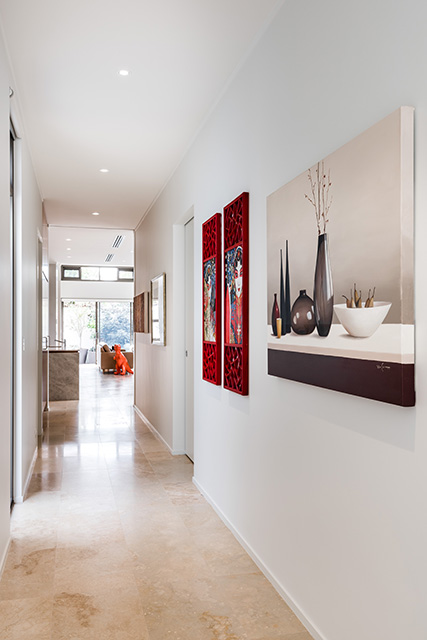
Stand at the entry and look through the apartment as if you were seeing it for the first time. Notice where the eye naturally travels. A full-height mirror at the end of a short passage can lengthen the route, while a wide horizontal mirror behind a sofa can increase the perceived breadth of a narrow living area.
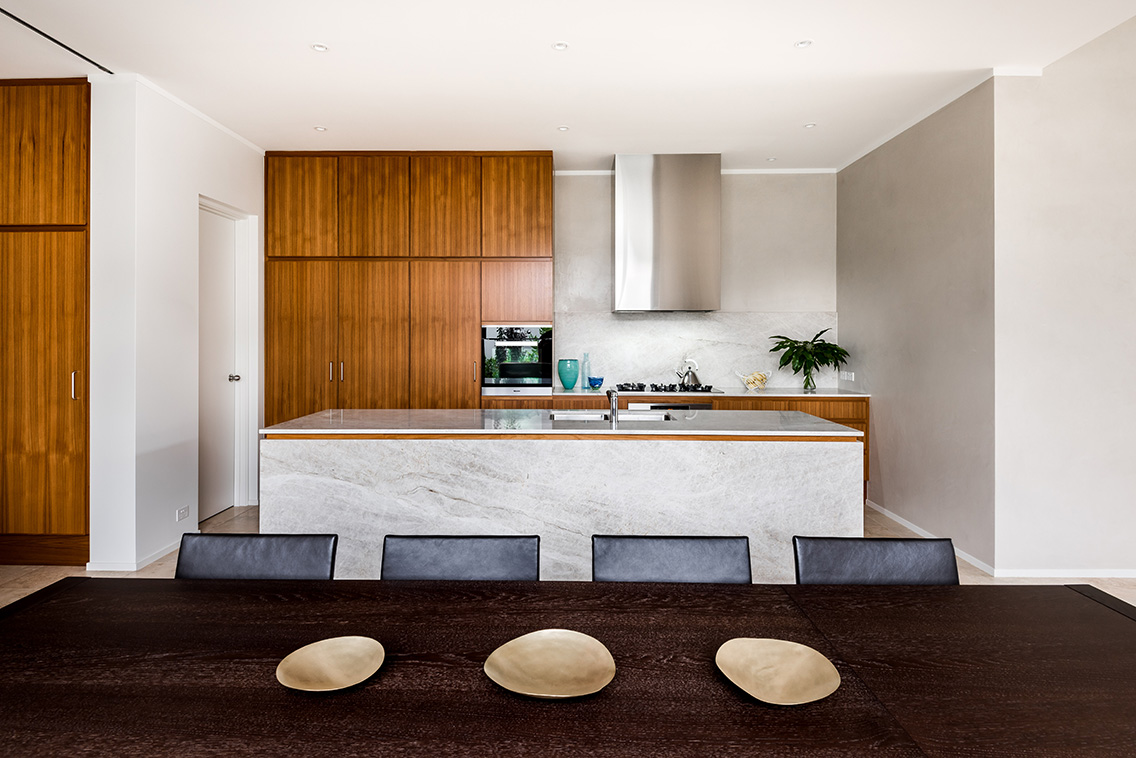
Open-plan apartments need a little more care. A reflective panel can strengthen the connection between kitchen, dining and lounge zones, but an oversized sheet may create visual noise by reflecting appliances, clutter or television screens. If the layout has an awkward circulation route, ideas explored in this floating wall solution can help clarify where a mirror should begin and end.
Use Daylight Without Creating Glare
A mirror placed adjacent to a window is often more comfortable than one directly opposite it. This arrangement catches daylight and distributes it into the room without sending a hard reflection straight into the eyes. In a south-facing or shaded apartment, a larger clear mirror can help compensate for limited natural light.
In Perth, however, direct western sun deserves attention. A mirror opposite a west-facing window may intensify glare in the late afternoon and make the room warmer. If the apartment looks towards the Swan River, the coast or an open suburban horizon, use the reflection selectively rather than covering an entire wall.
Tinted, smoked or antiqued mirrors can soften the light while adding depth. They work particularly well with warm timber, travertine, brushed metal and earthy textiles, all of which sit comfortably within the relaxed material palette common in Western Australian interiors. A slightly grey finish can feel calmer than a bright, perfectly clear surface.
Window furnishings matter too. Sheer curtains, roller blinds or external shading can control the reflection during the hottest part of the day. In a rental, check whether adhesive mounting systems are permitted and avoid placing a heavy frameless panel where it could be damaged by a moving blind or sliding door.
Choose Scale, Shape And Edges Carefully
A small decorative mirror often has little impact on the perceived size of a room. For a meaningful spatial effect, choose a surface with enough scale to reflect a person, a window or a substantial portion of the room. Full-height panels can make ceilings appear taller, while broad rectangular forms emphasise width.
The mirror does not have to cover an entire wall. Two or three matching panels can create rhythm and are often easier to transport up an apartment lift or install within strata constraints. Narrow vertical mirrors beside a wardrobe can also make a bedroom feel taller without overwhelming the furniture.
Rounded corners and arched silhouettes introduce softness into apartments dominated by straight cabinetry and rectilinear windows. A pill-shaped mirror above a console is useful in a tight entry because it avoids sharp edges in a busy passage. Organic shapes suit a more relaxed Fremantle or coastal aesthetic, while a simple black-framed rectangle may feel right in a sharper city apartment.
Pay attention to the edge treatment. A bevel catches light and gives a mirror a more finished appearance, whereas a flush panel can visually disappear into joinery. Bronze, smoked and aged finishes conceal fingerprints more effectively than perfectly clear glass, which can be helpful in homes with children, pets or frequent entertaining.
Practical Mirror Choices For A Compact Home
The strongest scheme usually combines one substantial reflective element with smaller, purposeful pieces. Repetition can make a small apartment feel curated, while too many unrelated mirrors produce a fragmented effect.
- A full-height panel to extend a hallway or bedroom
- A wide mirror to reflect living-room daylight
- A compact round mirror for an entry or powder room
- Mirrored wardrobe doors where storage and reflection can share one surface
Reflective cabinetry should be specified with the same care as any built-in storage. Consider soft-close hardware, handle placement and the view that will appear in the doors. A wardrobe that reflects an unmade bed or a crowded desk may make the room feel busier rather than larger.
For custom storage, the work of a local maker can offer useful ideas about integrating functions discreetly. This profile of a joiner creating bespoke wardrobes shows how joinery can absorb everyday technology; a mirror-fronted cabinet can similarly hide storage while preserving a calm visual field.
Pair Reflection With Built-In Storage
The most convincing small-apartment interiors tend to solve several problems with one element. Mirrored wardrobe doors, a recessed cabinet with a reflective backing, or a slim mirrored splashback can add visual depth while supporting storage or daily routines.
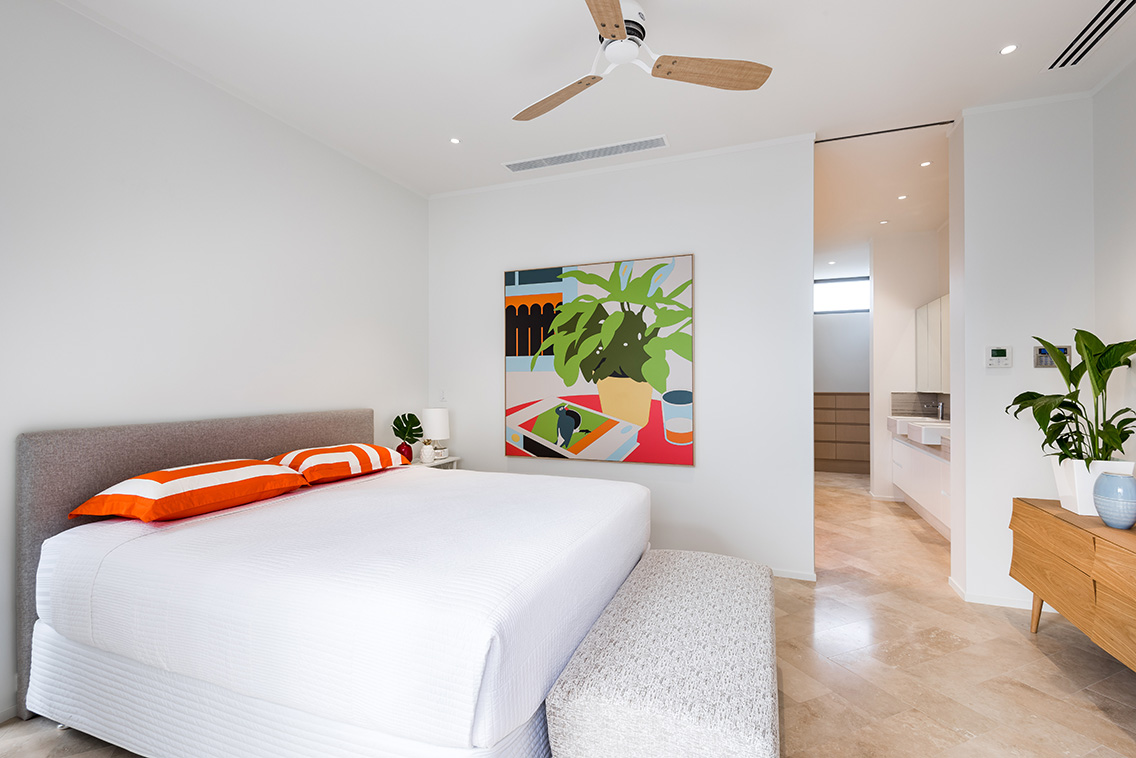
In a bedroom, full-height wardrobe mirrors can reduce the need for a separate dressing mirror and make the room appear more generous. Position them where they reflect daylight or an uncluttered wall, not directly towards the bed if that feels visually distracting. Softened or smoked glass can create a quieter effect than a bright silver finish.
A mirrored splashback can work in a compact kitchen, particularly when it reflects a window or a timber dining area. It requires regular cleaning around cooking zones, so practicality is important. Toughened mirror glass, easy-access power points and a clear relationship with the rangehood should be resolved with the kitchen designer or installer.
Custom joinery is worth considering in apartments because standard furniture can leave awkward gaps around columns, bulkheads and services. A carefully measured cabinet can use the full height of the room, conceal clutter and create the impression of a continuous wall. This is especially helpful in newer developments where living areas may be generous in width but limited in storage.
Control What The Mirror Reflects
Reflection is a design tool, so decide what the mirror should edit out. A mirror opposite open shelving may double the appearance of books, appliances and objects. One facing a carefully styled artwork, a textured wall or a plant can create a more deliberate composition.
In a living room, angle a large mirror slightly if possible rather than mounting it perfectly parallel to the opposite wall. A small shift can reflect a brighter corner or a view of foliage instead of the television. In a hallway, a mirror can be set at the end to create depth, while a side position may be safer where doors and foot traffic are close.
Avoid placing large mirrors where they will be struck by furniture, bags or swinging doors. Heavy panels need appropriate fixings for the wall type, especially in apartments with plasterboard linings. Professional installation is sensible for floor-to-ceiling pieces, bathroom applications and any mirror mounted above a bed or sofa.
Strata rules may affect drilling, adhesive systems, common walls and changes visible from outside the apartment. Confirm the building requirements before ordering custom glass. A Perth apartment may also experience significant temperature shifts between sunny afternoons and cool evenings, so a qualified glazier can advise on suitable products and installation clearances.
Make The Mirror Belong To The Interior
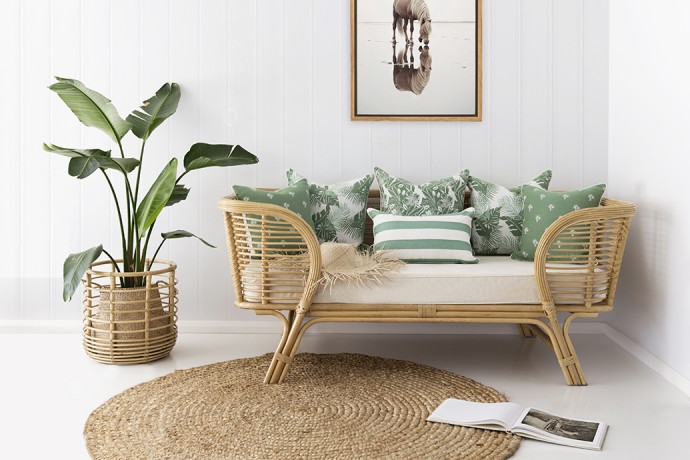
A mirror looks larger and more intentional when its material language relates to the rest of the apartment. A pale timber frame can connect with oak flooring or cabinetry, while aged brass may pick up lighting and tapware. Black metal gives definition and works well when window frames or joinery have similar details.
The surrounding wall should have enough breathing room. Crowding a mirror between a light switch, artwork and tall furniture reduces its visual power. In an entry, leave space below for a narrow shelf or console, but keep the surface edited so the reflection remains clear.
Lighting can change the result after dark. Wall sconces placed beside a mirror create a flattering, layered glow, while a concealed LED strip behind a panel adds a floating effect. Avoid placing a bare downlight directly in front of reflective glass, as it can produce hotspots and harsh shadows.
Material contrast is equally important. A glossy mirror beside matte paint, woven upholstery or honed stone feels richer than a room filled with shiny surfaces. The aim is to create depth through variation, using reflection as one layer within a broader interior palette.
Learn From Compact Australian Projects
Small-space design is increasingly relevant across Australian cities, including Perth, where apartment living is expanding around the CBD, Subiaco, East Perth and university precincts. Student accommodation, build-to-rent developments and downsizer apartments all require rooms to support study, rest, work and socialising without becoming visually crowded.
A recent Curtin housing project offers a useful reminder that compact rooms benefit from clear organisation, durable materials and carefully considered shared spaces. Mirrors are most effective when they reinforce that organisation rather than act as a decorative afterthought.
The local market also rewards durable, repairable choices. Perth homeowners may be renovating older apartments in Mount Lawley or Como, while newer units in the city often come with fixed cabinetry and strict delivery access. A mirror that can be carried through a narrow stairwell, replaced in sections or removed without major wall damage may be more valuable than a dramatic but impractical installation.
Before buying, map the mirror’s dimensions with painter’s tape. Check the viewing height from seated and standing positions, measure door swings and allow for skirting boards, power outlets and air-conditioning units. This simple test makes the final decision more precise and reduces expensive installation mistakes.
Begin with the apartment’s brightest useful view and choose one mirror that strengthens it. Keep the frame, tint and lighting consistent with the existing material palette, then use smaller reflective details only where they solve a real spatial or practical problem. A considered mirror can make a Perth apartment feel calmer, brighter and more open while preserving the character of the home.