Event Preview: The 2025 Contemporary Wine In Design Awards
Perth’s design culture is shaped by a distinctive relationship with place. Light, climate, material availability and a growing appetite for considered development all influence how local architects, interior designers, makers and suppliers work. The 2025 Contemporary Wine In Design Awards will bring that conversation into one shared setting, recognising the people and projects contributing to Western Australia’s evolving design identity.
Presented through Contemporary Wine In Design, the event is more than an awards presentation. It is a meeting point for the architecture and interiors community: a space to acknowledge thoughtful work, discover emerging practices and exchange ideas across disciplines. Its value lies in the connections between the projects on display and the people who make them possible.
For design professionals, students and enthusiasts, the evening offers a concise view of the industry’s current priorities. Residential interiors, commercial spaces, public projects, objects, finishes and creative partnerships can all be read as part of a broader story about how Perth and the wider Australian design scene are changing.
A Snapshot Of Perth’s Design Culture
Awards events often provide a useful record of a city at a particular moment. They reveal which ideas are gaining momentum, which materials are being reconsidered and how practitioners are responding to social, environmental and economic pressures. In Perth, those questions are closely tied to the city’s geographic distance, strong natural environment and fast-developing urban character.
The 2025 gathering will create an opportunity to see local work in a wider context without losing the detail that makes it distinctive. A compact home can express just as much about contemporary practice as a major commercial fit-out, particularly when it demonstrates restraint, resourcefulness or a sensitive response to its setting.
That range is important. A healthy design community depends on dialogue between established studios, independent makers, suppliers, educators and new graduates. The awards provide a public moment for those conversations, while also giving the wider community a way to understand the thinking behind the spaces and objects it encounters every day.
What The Awards Bring Into Focus
Recognition in design is rarely about visual impact alone. Strong work usually combines a clear idea with technical discipline, an understanding of users and a convincing relationship between materials, form and context. The most memorable entries tend to make those decisions feel coherent rather than decorative.
Jury-led awards can also draw attention to qualities that are less visible in photographs. Planning, accessibility, durability, procurement and collaboration may not be immediately apparent in an image, yet they shape whether a project performs well over time. A thoughtful awards program gives those considerations a place alongside atmosphere and visual identity.
The 2025 edition is therefore likely to be read through several overlapping measures: design clarity, craftsmanship, environmental responsibility, social usefulness and the ability to create a meaningful experience. Those measures apply across scales, from a carefully resolved residential detail to a workplace or public interior designed for many different users.
Materials, Making And Responsible Choices
Material selection has become one of the clearest ways for designers to express both aesthetic intent and professional responsibility. Natural stone, timber, metal, textiles, ceramics, recycled content and low-impact finishes each carry practical consequences alongside their visual qualities. Their sourcing, maintenance and lifespan matter as much as their initial appearance.
This is particularly relevant in Western Australia, where supply chains, climate and transport can influence specification decisions. Designers are increasingly required to balance local availability with performance, cost and environmental impact. The discussion around low-VOC paint options reflects a broader interest in healthier interiors and more considered product selection.
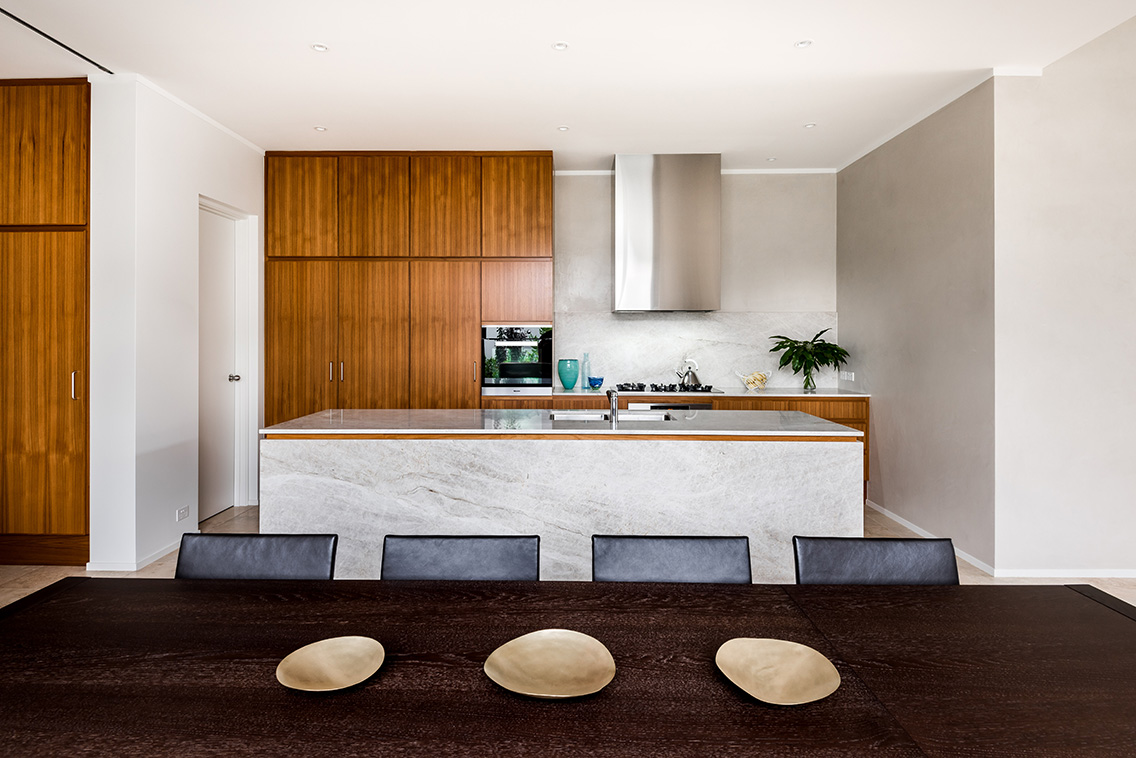
The awards can make these choices easier to see by placing finished projects within a professional conversation. A muted palette may be the result of a deliberate response to daylight. A robust surface might be chosen for longevity rather than fashion. A locally made element may connect a project to regional skills while reducing reliance on long-distance supply.
The People Behind The Projects
Every finished project is the result of collaboration. Architects and interior designers may establish the concept, but builders, fabricators, artists, suppliers, consultants and clients influence the final outcome. The best work often develops through that exchange, with practical knowledge sharpening the original design direction.
An event centred on wine, conversation and project recognition makes those relationships visible. It allows a studio to acknowledge a trusted contractor, a maker to meet a designer looking for a new partnership, or a student to encounter practices beyond the classroom. These informal connections can become as significant as the formal awards themselves.
The Contemporary exhibitor community also adds another layer to the evening, bringing products, materials and specialist knowledge into proximity with the people who specify and use them. For attendees, this creates a direct way to understand how new finishes, furniture, lighting and architectural components are entering the Australian market.
| Area Of Interest | What To Look For | Why It Matters |
|---|---|---|
| Residential design | Planning, liveability, material restraint and connection to climate | Shows how everyday environments can be both practical and distinctive |
| Commercial interiors | Circulation, flexibility, identity and user experience | Reveals how workplaces and hospitality spaces respond to changing needs |
| Public and community projects | Access, inclusion, durability and civic presence | Demonstrates design’s role beyond private development |
| Product and furniture design | Craft, performance, repairability and local production | Connects objects with broader questions about consumption |
| Emerging practitioners | Fresh approaches, experimentation and new collaborations | Signals where the next phase of Australian design may be heading |
An Evening Of Exchange
The setting of an awards event changes how design is encountered. Rather than moving through a gallery or scrolling past isolated project images, guests experience a shared rhythm of conversation, presentation and recognition. A project’s significance can shift when its designers explain a challenge, its makers discuss production or its clients describe how a space is used.
Wine in Design also suggests a deliberately social format. That matters in a sector where professional relationships often develop through repeated encounters rather than formal meetings. A relaxed atmosphere can encourage discussion across generations and specialisations, creating space for questions about process, budgets, materials and future directions.
For students and early-career practitioners, this kind of event can be especially valuable. It offers a view of design as a collective profession rather than a series of individual names. Listening to different voices in the same room can help clarify the range of roles available across architecture, interiors, styling, fabrication, publishing and product development.
How To Read The Awards On The Night
Guests will get more from the evening by looking beyond the most immediately photogenic projects. Consider how a project establishes its priorities, what constraints shaped the outcome and whether the materials appear suited to their use. These details can reveal a design intelligence that is easy to miss in a quick visual survey.
It is also worth paying attention to the language used by practices and collaborators. Terms such as sustainability, localism, flexibility and wellbeing have become common across the industry, but their meaning depends on how they are applied. A specific explanation of sourcing, maintenance or user experience is more revealing than a broad claim.
A few simple ways to engage with the event include:
- Read project descriptions alongside the images, noting the brief and the decisions that respond to it.
- Ask makers and exhibitors about fabrication, maintenance, lead times and material performance.
- Compare how different practices address climate, resource use and the long-term life of a space.
- Look for collaborations between disciplines, particularly where a project combines architecture, interiors, art or industrial design.
- Follow up with studios and suppliers whose work opens a new line of thought.
A Shared Marker For The Year Ahead
The 2025 Contemporary Wine In Design Awards will arrive at a moment when the Australian design industry is negotiating considerable change. Environmental expectations are becoming more specific, construction costs continue to influence ambition, and clients are asking spaces to perform across more varied needs. At the same time, there is renewed interest in craft, local production and the emotional qualities of interiors.
Against that background, the awards can function as both celebration and document. They recognise completed work while recording the concerns shaping current practice. The projects selected and discussed will offer clues about where Perth designers are finding opportunity, where they are testing conventions and how they are building a more connected local industry.
The evening’s significance will ultimately extend beyond the names announced. It will be measured through conversations continued after the event, collaborations formed between disciplines and ideas carried back into studios, classrooms, workshops and construction sites. That is the lasting role of a design community gathering: to turn individual achievements into shared momentum.
Make space in your calendar for the 2025 Contemporary Wine In Design Awards, follow Contemporary’s event coverage, and join Perth’s architecture and design community for an evening of recognition, discovery and conversation.