A guide to the best architectural tours in Perth and surrounds
Perth rewards visitors who look beyond its skyline. The city’s architectural character is shaped by limestone civic buildings, post-war modernism, carefully restored heritage places, expansive university campuses, and new cultural projects that respond to a bright, dry climate. The result is a collection of precincts that can be explored on foot, by bicycle, or through a more formal guided experience.
The most rewarding architectural walks do not treat buildings as isolated objects. They connect streets, landscape, materials, public life, and the stories of the people who designed and used them. A morning in the city centre can move from nineteenth-century government architecture to experimental commercial interiors, while a Fremantle itinerary may combine maritime infrastructure with adaptive reuse and contemporary hospitality.
This guide brings together self-guided routes, regular public attractions, and destinations worth checking before setting out. Opening hours, ticketing, and tour availability can change, so confirm details with each venue or local tourism organisation before making a special trip.
Start with Perth’s civic and cultural core
Central Perth is the most concentrated place to study the city’s architectural layers. Begin around St Georges Terrace, where heritage banks, government offices, hotels, and contemporary towers form a dense urban sequence. The western end leads towards Parliament House and the Supreme Court precinct, while the eastern side connects with Barrack Square, Government House, and the river.
A walk through the Perth Cultural Centre adds another register. The State Library of Western Australia, Art Gallery of Western Australia, WA Museum Boola Bardip, and the Perth Institute of Contemporary Arts occupy a precinct where older institutional buildings meet newer interventions. WA Museum Boola Bardip is especially useful for observing how a contemporary cultural building can frame collections, circulation, and public space without treating history as a static backdrop.
Continue towards the city’s smaller civic landmarks, including Perth Town Hall and the former Treasury buildings. These places are valuable for their proportions and material detail as much as their historical significance. Look for arcades, verandas, deep window reveals, local stone, and shaded thresholds—features that reveal how architecture in Western Australia has adapted to strong sunlight and seasonal heat.
For visitors interested in interiors, allow time to notice the relationship between public architecture and fitted spaces. Retail, hospitality, and workplace projects often express the city’s current design culture through lighting, joinery, furniture, and material palettes. A useful companion read is this guide to styling a bookshelf, which offers a close-up view of how considered interiors are composed at a smaller scale.
Follow the river through modern Perth
Elizabeth Quay is a natural starting point for a contemporary architecture route. Its promenade, pedestrian bridges, public art, restaurants, and new apartment and hotel developments demonstrate the city’s changing relationship with the Swan River. The precinct is best visited in the morning or late afternoon, when the light reveals the contrast between reflective glazing, pale paving, steel, and water.
From the quay, walk or cycle towards the eastern end of the city and consider how towers meet the riverfront. The WACA Ground, Perth Concert Hall, and nearby residential developments provide different examples of large-scale planning, civic identity, and urban renewal. The route can be extended across the Causeway into Victoria Park, where the city’s skyline is viewed from a lower, more open suburban edge.
A separate riverside journey begins at Kings Park and descends towards the city through Mount Eliza. Kings Park is primarily a landscape experience, but it is also an important architectural destination. The Visitor Information Centre, Fraser Avenue, memorial spaces, lookouts, and cultural facilities show how buildings can be integrated into a significant botanical and ceremonial setting.
The University of Western Australia in Crawley is another essential stop. Its sandstone buildings, courtyards, colonnades, and gardens draw from Mediterranean and Gothic references while responding to the local landscape. The campus is particularly enjoyable as a slow walking tour, with time to compare formal quadrangles against later buildings and informal outdoor rooms near the river.
Explore Fremantle’s layered streetscape
Fremantle offers one of the most legible architectural walks near Perth. Its historic centre contains warehouses, civic buildings, churches, hotels, shopfronts, workers’ cottages, and maritime structures within a compact area. A route can begin at Fremantle Markets, continue along South Terrace and High Street, and finish near the harbour or the West End.
The Fremantle Markets are a strong example of adaptive commercial architecture. Their iron structure and market hall create a distinctive interior atmosphere, while the surrounding streets show how older buildings continue to support food, retail, and cultural uses. High Street is worth taking slowly: its facades demonstrate how materials, signage, awnings, and narrow shopfronts contribute to an active pedestrian environment.
Fremantle Prison provides a more formal heritage experience. Guided tours explain the building’s history, construction, changing functions, and social context, while the architecture itself communicates the discipline of the original institution. The limestone walls, yards, cell blocks, and service spaces make the site a powerful study in how material and planning can reinforce authority.
At the harbour, the Round House, Bathers Beach, the Maritime Museum, and the former port buildings extend the story towards the water. Look for the transition from dense nineteenth-century streets to working infrastructure and later public-realm improvements. Fremantle is also a productive place to study reuse, since many old buildings now accommodate studios, restaurants, bars, galleries, and offices without losing their visible history.
Seek out modernist homes and suburban landmarks
Perth’s architectural story is incomplete without its suburbs. Many of the city’s most interesting houses are private, which means they should be viewed respectfully from public roads rather than treated as open attractions. Nedlands, Dalkeith, City Beach, South Perth, and Peppermint Grove contain examples of mid-century design, post-war experimentation, and contemporary residential architecture shaped by gardens, ocean breezes, and river views.
A suburban architecture tour works best when it focuses on patterns rather than individual addresses. Notice low rooflines, shaded courtyards, breeze blocks, courtyards, terrazzo, brickwork, timber screens, and connections between living areas and gardens. These elements recur across decades, but their proportions and construction methods reveal changing ideas about family life, privacy, climate control, and modernity.
City Beach is useful for understanding the influence of coastal conditions. Houses often turn towards views and outdoor living while protecting interiors from glare and wind. In South Perth and Como, a mix of older cottages, apartment buildings, and new infill projects demonstrates the pressures placed on established neighbourhoods. The contrast between preservation and redevelopment makes these areas valuable for anyone interested in planning as well as design.
For a more organised experience, look for heritage walks, open-house programs, architecture festivals, and university or professional events. These occasions may provide access to buildings that are normally closed, along with conversations about conservation, construction, and the practical realities of contemporary practice.
Compare routes by pace, period, and access
The best itinerary depends on whether the priority is heritage, contemporary design, landscape, interiors, or a mixture of all four. A compact city route can be completed in a few hours, while Fremantle and the river suburbs deserve a full day. Public transport is practical for central destinations, but a car or bicycle makes it easier to connect dispersed residential and riverside sites.
| Route | Main character | Allow | Best approach |
|---|---|---|---|
| Perth civic centre | Heritage, culture, public institutions | 2–4 hours | Walking tour with museum or gallery stops |
| Elizabeth Quay to East Perth | Waterfront renewal and skyline views | 2–3 hours | Walk in the cooler part of the day |
| Kings Park and Crawley | Landscape, campus, civic memory | 3–5 hours | Combine walking with public transport |
| Fremantle centre and harbour | Maritime heritage and adaptive reuse | Half to full day | Guided heritage visit plus independent walking |
| City Beach and western suburbs | Residential modernism and coastal design | 3–4 hours | Drive or cycle; view private homes discreetly |
| Swan Valley and outer districts | Wineries, makers, and rural structures | Half to full day | Plan around bookings and opening times |
Events can add context that a street walk cannot. Perth Design Week, exhibitions, talks, and open studios often bring architects, interior designers, makers, students, and the public into direct conversation. Coverage of Perth Design Week is a useful reference for understanding the types of talks, installations, and industry encounters that can shape a design-focused visit.
Add interiors, showrooms, and working spaces
Architectural tourism does not need to stop at facades. Perth’s design showrooms offer a closer look at kitchens, bathrooms, lighting, surfaces, furniture, and hardware—the details that determine how buildings are experienced every day. These visits are particularly valuable for students and design professionals who want to understand specification, craftsmanship, and the relationship between products and spatial planning.
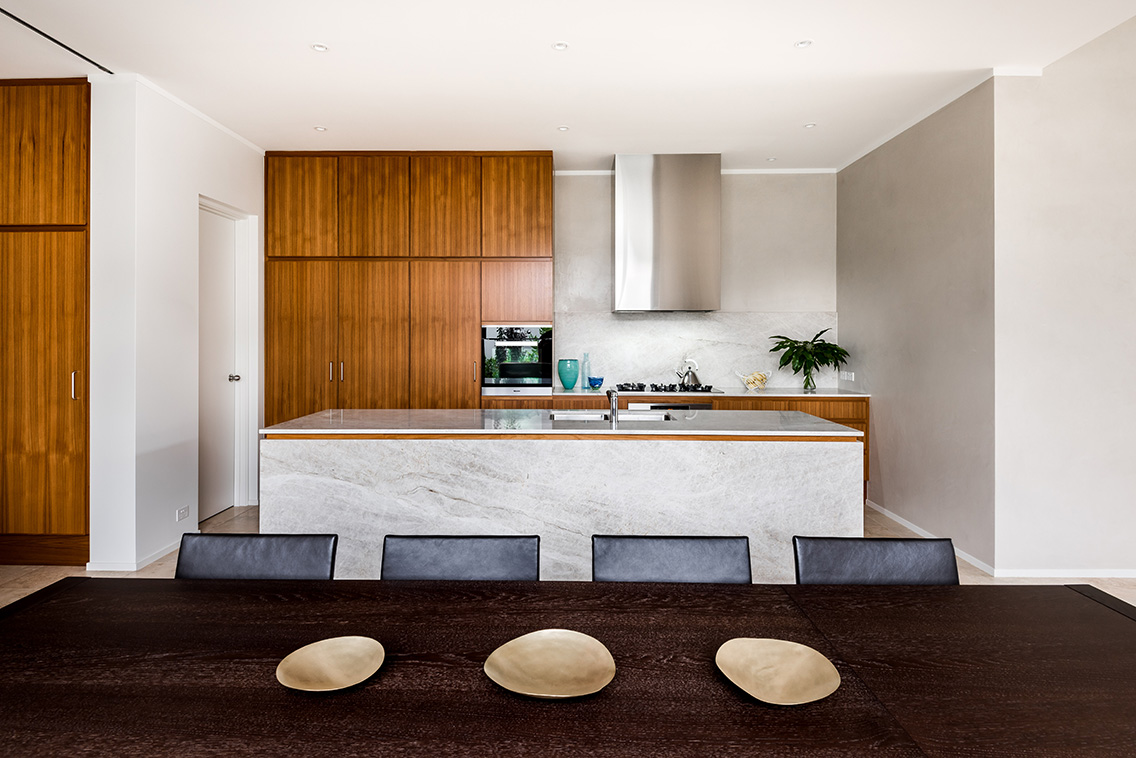
A showroom visit should be approached as research rather than casual shopping. Pay attention to how displays establish scale, circulation, lighting, and material combinations. Ask about local suppliers, fabrication, maintenance, and installation where appropriate. A kitchen display, for example, can reveal how storage, work zones, appliances, and social spaces are being configured in current Australian homes. This latest kitchen showroom offers a relevant example of how a commercial display can communicate a broader design philosophy.
Working studios and maker spaces may be available through exhibitions, festival programs, or appointment-based visits. Their value lies in seeing process: samples, prototypes, drawings, tools, and unfinished work can explain decisions that are invisible in a completed project. When attending, follow booking requirements and remember that a functioning studio is a workplace, not simply a public gallery.
Practical recommendations for a richer visit
- Start early in summer, carry water, and plan shaded breaks between exposed streets and plazas.
- Wear comfortable shoes, especially for Fremantle’s long walking routes and Kings Park’s sloping paths.
- Check access arrangements before visiting private homes, studios, showrooms, or ticketed heritage sites.
- Bring a notebook or camera to record materials, thresholds, proportions, and landscape connections rather than only landmark views.
- Pair one guided experience with one self-guided route to balance historical context and personal observation.
Architecture becomes more legible when experienced at walking speed. A shaded arcade, a carefully positioned window, a limestone wall retaining evening heat, or a garden that extends a living room can say as much about Perth as a celebrated civic building. The city’s design culture is distributed across public institutions, suburban streets, commercial interiors, working studios, and landscapes shaped over generations.
Choose a route that matches your interests, verify the practical details, and make time for unplanned discoveries between major stops. Share the experience through Contemporary’s ongoing coverage of Western Australian architecture and design, and use each visit as a starting point for noticing how Perth continues to build its identity.