Salvaged Door Hardware For A More Considered Modern Renovation
A renovation does not become contemporary by erasing every trace of its previous life. Often, the most convincing interiors balance clean planning and current materials with a small number of elements that carry evidence of time. Salvaged door hardware—lever handles, rim locks, escutcheons, hinges, bolts and pulls—can provide that connection in a way that feels tactile rather than nostalgic.
The appeal is practical as well as aesthetic. Reusing existing fittings reduces the demand for newly manufactured metalwork, keeps distinctive objects out of landfill and gives a renovation a more specific visual language. A weathered brass handle or painted timber latch may be modest in scale, yet it can influence how a room feels every time someone opens a door.
For Perth homeowners, architects and designers, the opportunity extends beyond heritage cottages. Reclaimed fittings can work in apartments, coastal houses, workplace interiors and hospitality projects when they are selected with care. The key is to treat them as design components, not decorative props.
Read The Hardware Before Choosing Its New Role
Begin with an inventory rather than a mood board. Record each item’s material, dimensions, fixing points, surface condition and original function. A pair of mortise handles may be suitable for a new internal door, while a single rim lock could become a cupboard latch or a sculptural pull on a large joinery panel. Photographing each piece before cleaning also preserves useful information about its finish and construction.
Look for signs that reveal how the fitting was made. Hand-filed edges, irregular screw heads and layered paint often point to an older object with character, while later reproductions may have standardised dimensions and thin plating. Neither category is automatically better, but knowing the difference helps establish whether the hardware should be preserved, adapted or used simply as a visual reference.
Condition matters most where the fitting will be touched repeatedly. Cracked knobs, weakened springs and corroded screws may be unsafe on a bedroom or bathroom door, even if they look attractive. Ask a locksmith or architectural hardware specialist to assess mechanisms that need to perform daily. A beautiful escutcheon can remain visible even when its original lock body is replaced with a reliable contemporary component.
Build A Palette Instead Of Matching Everything
A coherent collection does not require every fitting to be identical. In fact, a modern renovation can become more interesting when old hardware is grouped through a shared quality such as warm metal, dark patina, rounded geometry or a consistent scale. Repetition should be deliberate: use related handles across a hallway, then allow a more unusual piece to mark a study, pantry or concealed door.
The surrounding architecture determines how much contrast the hardware can carry. Against pale timber or mineral plaster, aged brass may read as quiet warmth. On charcoal joinery, polished chrome or nickel can sharpen the composition. Blackened steel suits industrial details and robust cabinetry, although it can feel visually heavy if repeated across every opening.
Consider the relationship between door hardware and other touchpoints. Tapware, cabinet pulls, light switches, curtain rods and stair balustrades do not need to come from one collection, but they should not compete randomly. A limited material palette creates room for salvaged pieces to be noticed. Contemporary Australian projects often achieve this restraint through strong proportions and carefully edited detail, as shown in the Scarborough surf club design, where material decisions support a clear architectural identity.
Adapt Old Fittings To New Construction
Modern doors are frequently thinner, heavier or constructed differently from the doors that originally carried salvaged hardware. A historic mortise lock may need a deeper stile than a contemporary flush door provides. A large backplate may conflict with a concealed frame, acoustic seals or a fire-rated door assembly. These constraints should be resolved during documentation, not after the doors have been ordered.
A joiner can create discreet backing plates, packers or custom rebates to accommodate irregular fixing positions. Where a fitting no longer meets current performance requirements, its visible components can sometimes be paired with a new internal mechanism. This approach retains the handle and escutcheon while improving security, alignment and ease of use.
Compatibility is especially important in wet areas and high-traffic spaces. Unsealed iron can stain surrounding timber, untreated brass can change rapidly in humid conditions, and delicate finishes may deteriorate when exposed to cleaning chemicals. In bathrooms, laundries and commercial settings, specify protective coatings or choose salvaged pieces for less demanding locations. The most successful reuse strategy respects both the object’s history and the building’s present-day needs.
| Salvaged fitting | Suitable modern application | Key technical check | Finish approach |
|---|---|---|---|
| Rim lock and keep | Internal bedroom or study door | Door thickness and latch alignment | Clean gently; retain patina |
| Lever handle set | New solid-core internal door | Spindle size, backset and return spring | Repair mechanism; wax or seal |
| Cupboard pull | Joinery, pantry or media cabinet | Screw length and substrate strength | Polish selectively or leave aged |
| Escutcheon plate | New lockset or decorative door detail | Bore diameter and fixing layout | Match with a compatible lock body |
| Strap hinge | Cabinet, gate or feature screen | Load capacity and hinge geometry | Stabilise corrosion; avoid over-polishing |
| Slide bolt | Barn-style door, gate or utility opening | Security, reach and clearances | Use indoors or in protected areas |
Use Hardware To Define Thresholds
Door fittings are small markers of transition. They tell the hand where to reach and the eye where one space ends and another begins. In an open-plan renovation, this can be valuable: a substantial pull may give a concealed pantry presence, while a delicate latch can make a study feel separate without adding visual weight to the plan.
Sliding doors and screens offer another opportunity. A salvaged pull can add tactile distinction to a large timber, glass or perforated metal panel, provided its proportions suit the moving leaf. In compact interiors, the hardware should support flexibility rather than obstruct circulation. The CBD apartment with sliding screens demonstrates how carefully considered movable elements can alter privacy and use without relying on bulky partitions.
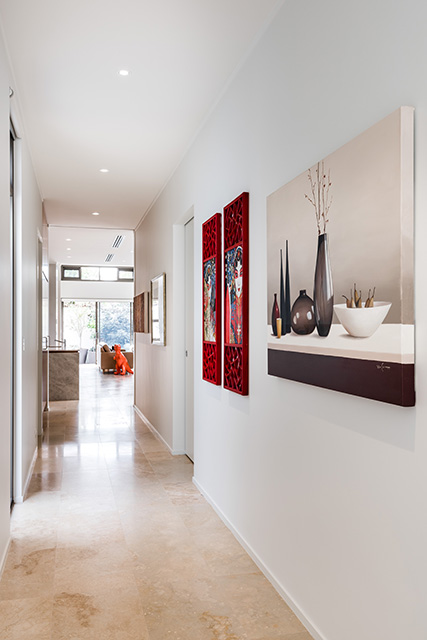
Think about sightlines as well as touch. A series of handles aligned along a corridor can become a subtle graphic rhythm. A dramatic brass pull might be best placed where it can be seen from the entry, while a rare ceramic knob could reward movement into a more private room. Repurposing works most convincingly when the fitting has a clear architectural role.
Clean, Repair And Finish With Restraint
Cleaning should reveal the object rather than make it look new. Start with a soft brush, mild soap and water where appropriate, followed by thorough drying. Avoid aggressive polishing until the composition of the metal is known. Removing every trace of oxidation or paint can erase the surface variation that makes salvaged hardware valuable in the first place.
Specialist restoration is worthwhile for pieces with fragile plating, painted decoration or mechanical complexity. A conservator or experienced metalworker can stabilise corrosion, replace missing springs and reproduce small components without flattening the original character. For less significant fittings, a light wax may provide protection while preserving a soft, uneven sheen.
There is a difference between patina and deterioration. Loose fixings, sharp corrosion, flaking coatings and contaminated surfaces should be addressed. Once repaired, test each item at full scale. The right finish in a sample box may appear too reflective beside a broad door, while a darkened fitting may disappear against stained timber. Mock-ups help establish the balance before a full installation.
Let Reuse Shape The Broader Interior
Salvaged door hardware should connect to the wider renovation rather than sit apart from it. Its presence can inform the choice of timber tones, wall colours, joinery profiles and lighting temperatures. This does not mean creating a period interior around one old lock. It means allowing the fitting’s material and scale to participate in the overall conversation.
A simple modern door can be an effective setting. Flat-panel joinery, limewashed walls and restrained cabinetry give an ornate escutcheon enough space to register. Conversely, a heavily detailed door may require quieter hardware. Consider negative space, shadow gaps and the thickness of the surrounding trim; these elements determine whether the object feels integrated or merely attached.
For a broader view of design stories across architecture, interiors and makers, the Contemporary editorial platform offers useful context for thinking about material decisions within Australian projects. A salvaged fitting is one detail, but its meaning grows when it supports a larger narrative about craft, adaptation and the life of a building.
Practical Decisions For A Lasting Result
A considered reuse scheme can be developed through a few clear decisions made early in the renovation:
- Audit all salvaged pieces before finalising door, cabinet and joinery schedules.
- Separate fittings intended for daily use from those best treated as decorative elements.
- Confirm dimensions, fire requirements, accessibility clearances and security performance with the relevant trades.
- Create physical samples showing the hardware beside proposed doors, wall finishes and metal accents.
- Preserve character selectively while repairing anything that compromises safe, comfortable operation.
The most important decision is where to spend effort. A rare set of handles may justify custom adaptation, while common cup pulls can be used creatively across cabinetry. Likewise, a fitting with sentimental or local significance may deserve a prominent position even if its original mechanism cannot be retained.
Document the story as the work progresses. Record where each item came from, what was repaired and which new components were introduced. This information can become part of the home’s material archive, especially when salvaged hardware comes from an earlier building, a family property or a demolished local structure.
Make The Detail Part Of The Architecture
Repurposed hardware succeeds when it feels inevitable: old enough to carry character, functional enough to belong in the present and restrained enough to support the architecture around it. The goal is not to make a new interior look old. It is to create moments of contact with material history while maintaining the clarity, safety and comfort expected of contemporary construction.
Start with one door, cabinet or threshold where the fitting can have a distinct role. Test its scale, mechanism and finish, then allow the lessons from that prototype to guide the rest of the renovation. Share the completed project, its sources and its craft decisions with the wider design community through Contemporary, helping make thoughtful reuse part of the ongoing Australian design conversation.